





There is a silent condition that stalks the health of as many as 1 in 5 people across the UK: fatty liver disease. It’s a condition that can have a wide range of impacts upon your health and, over time, can develop into much more serious conditions. If you’re concerned about fatty liver disease, and want to know more about the supplements that can potentially help, keep on reading…
The unfortunate rise of fatty liver disease
It’s an unarguable point that fatty liver disease is on the rise across the UK. In fact, it’s an issue that isn’t just occurring here in the UK - it’s now one of the most common chronic liver conditions reported worldwide1.
This has serious consequences: not merely for the individuals afflicted with the condition, but for healthcare systems more generally as it can result in an array of comorbidities.
But, we appreciate that you may be reading this having just discovered that you have (or are at risk of developing) fatty liver disease yourself.
What exactly is it? And, what consequences can it have on your health?
Let’s take a look.
Firstly, fatty liver disease is a term that covers two distinct types of disease:
-
MASLD: metabolic-associated fatty liver disease is the form of fatty liver disease that results in fat build-up in the liver as a result of metabolic issues such as obesity, insulin resistance and high blood pressure. Note: prior to 2023, MASLD was known as non-alcoholic fatty liver disease (NAFLD). The change was made to better reflect the underlying factors of MASLD (however, we use these terms interchangeably throughout this article).
-
AFLD: alcoholic-related fatty liver disease is fat accumulation within the liver that is primarily caused by regular heavy alcohol intake.
Whilst the outcome is essentially the same: the accumulation of fat within the liver, the distinction between the two types of fatty liver disease is important as the resulting condition management is distinctly different.
So, how widespread are the two forms of fatty liver disease? Estimates suggest that around 1 in 3 people in the UK have at least an early-stage form of fatty liver disease. Meanwhile, around 1 in 5 people are estimated to have clinically-meaningful fatty liver (e.g. they are at a stage whereby the liver fat accumulation is causing hepatic damage)2.
Further to the above stats, health bodies and researchers have highlighted that this may only be ‘the tip of the iceberg’. Charities such as the British Liver Trust3 suggest that there are large swathes of the population that are living with fatty liver disease without knowing it (e.g. they haven’t been diagnosed).
This is an important finding, as undetected, untreated, fatty liver disease can result in progressive worsening of your liver health. Fat accumulation in the liver can develop into inflammation, fibrosis - and, over a long enough timeline - into full-blown cirrhosis or liver cancer. As we’ll explore later in this article, these outcomes - particularly cirrhosis and liver cancer - can have a deleterious impact upon your health4.
What are the potential consequences of fatty liver disease?
The development of fatty liver disease is typically symptomless in its early stages. However, as this condition progresses (particularly if it is unchecked and untreated), it can result in myriad serious health conditions.
These conditions tend to develop progressively, as more and more accumulates in the liver. Below, we’ve detailed how fatty liver disease can develop over time:
-
From initial steatosis (fat accumulation), the next stage is typically inflammation - which is dubbed non-alcoholic steatohepatitis (NASH) or metabolic-dysfunction associated steatohepatitis (MASH). Studies suggest that around 20% of people with fatty liver disease have NASH5.
-
Should inflammation persist over time (e.g. due to lifestyle factors/persistent excessive alcohol intake), then fibrosis may develop. This is effectively the liver becoming scarred, which in turn inhibits liver function.
-
Over a longer time line, fibrosis can then develop into advanced fibrosis and eventually cirrhosis - a form of irreversible scarring that significantly impairs liver function.
Once cirrhosis has occurred, individuals are subject to a plethora of adverse health outcomes. These include:
-
Increased risk of hepatocellular carcinoma (primary liver cancer).
-
Ascites (accumulation of fluid within the abdomen).
-
Variceal bleeding (dilated veins in the oesophagus that can hemorrhage).
-
Hepatic encephalopathy (cognitive confusion and slow down).
-
Jaundice and coagulopathy (poor blood clotting).
-
Increased infection risk and hepatorenal syndrome (secondary kidney injury).
Beyond hepatic (e.g. liver) harms, fatty liver disease can contribute to other comorbidities including cardiovascular disease, diabetes mellitus, and chronic kidney disease.
It’s clear then, that you should avoid developing fatty liver disease. As you’ll see further in this article, there are clear lifestyle and dietary changes that you can make to achieve this end.
How to check if you have fatty liver disease
That all sounds quite concerning doesn’t it? We won’t blame you if you start palpating the right hand side of your torso just below your rib cage (where the liver is located).
However, if you’re really concerned as to whether you may have fatty liver disease then there are a number of ways you can check if you have this condition.
The key point here is that detection of fatty liver very much comes down to taking a test, as opposed to identifying symptoms. This is due to fatty liver being essentially a ‘symptomless’ condition - at least in the early stages.
With this in mind, ‘detecting’ fatty liver can be achieved by undergoing one (or more) of the following tests:
Blood tests
Perhaps the simplest, and most widespread diagnostic pathway for suspected fatty liver disease is blood tests.
In terms of blood tests, there are three key liver blood tests that can be performed:
-
ALT: the alanine transaminase blood test measures the blood serum levels of a particular enzyme that is primarily found in the liver (that enzyme being ALT). A healthy reading will show low levels of ALT in your blood; an abnormal reading will show high levels of ALT, as the liver will accelerate production of ALT when damaged6.
-
AST: the aspartate aminotransferase blood test - as the name indicates - tests for elevated levels of AST in your blood. Elevated levels of AST occur when liver cells are injured or inflamed, which results in AST being released into your bloodstream7.
-
GGT: testing for elevated levels of gamma glutamyl transferase, the GGT test is considered to be a particularly sensitive test of hepatobiliary disease (e.g. damage to the liver and bile duct)8.
Want to get tested? Then speak to the SN Hub today. Our dedicated clinic facility offers a wide range of blood tests, including six distinct liver blood tests.
Ultrasound
If blood tests are inconclusive (or if your doctor wants a secondary test carried out), then an ultrasound will often be used as a ‘first-line’ imaging test to look for liver fat.
Ultrasounds are carried out in the abdominal region and are a popular testing pathway as they are cheap and widely available (many UK GP surgeries have on-site ultrasound machines).
However, whilst ultrasounds can detect moderate-to-severe steatosis (the accumulation of excess fat in the liver - specifically triglycerides), they can sometimes miss mild, early-stage liver fat build up9.
It’s for this reason that an ultrasound will be combined with blood tests to ensure that early disease indicators are not missed.
Fibroscan
Should a more detailed diagnosis be required, then you may undergo a Fibroscan. This is a test which physically resembles an ultrasound (it is carried out in a very similar way), but measures very different things.
In short, a Fibroscan will measure liver stiffness (it measures this in a unit called kPa - which is a marker of fibrosis), and also provide a CAP score (this latter score refers to how ‘fatty’ your liver is)10.
Aside from detecting liver fibrosis (stiffness) and liver fat, a Fibroscan can also detect other liver-related conditions, including:
-
Choleastatic disease.
-
Hepatitis B.
-
Hepatitis C.
-
Haemochromatosis.
Guide: read more about Fibroscans and what they involve in our guide, What Is a Fibroscan? & Why You Should Get One.

If you’re concerned about your liver health then Supplement Needs - at SN Hub - offers Fibroscans conducted by trained diagnostic professionals.
The scan lasts around 30 minutes and costs only £250.
Biopsy
A liver biopsy may be the ‘gold-standard’ in terms of diagnosing fatty liver disease. However, a biopsy is a highly-invasive procedure and will only be carried out should your doctor think that your liver is in particularly poor health/at risk of failing.
In fact, according to clinical practice guidelines11, most patients with fatty liver disease should never need a full liver biopsy.
Can you prevent fatty liver disease?
Given the potential long-term consequences of developing fatty liver disease it’s understandable that you won’t want to develop it.
Luckily, there are some clear lifestyle and diet changes that you can make that will significantly reduce your chances of developing fatty liver disease.
Let’s take a look at what those changes are and what they entail.
Weight loss
This is arguably the biggest impact change you can make in relation to fatty liver disease. According to research, if you are able to lose between 7 and 10% of your body weight, this can translate into meaningful improvements in liver enzymes, liver fat levels and histological inflammation and fibrosis12.
It’s important to note that you shouldn’t lose this weight too quickly, as this itself can cause issues with your liver. Instead, aim for a weight loss regime of between 0.5kg to 1kg per week (1 to 2lb)13.
Exercise more
Both aerobic and resistance exercise can have a meaningful impact on the prevention of fatty liver.
In terms of exercise levels, you should aim for:
-
Over 2.5 hours of moderate aerobic activity per week14.
-
At least two sessions of resistance training per week15.
Interestingly, the evidence base suggests that resistance training and aerobic exercise combined can reduce liver fat independently of weight loss. In other words, exercise can help prevent fatty liver, even when you’re struggling to shed weight.
Cut down on alcohol
Ideally, it’s best if you abstain from alcohol completely. However, if it’s an indulgence you can’t do without, then it’s recommended that you keep your weekly consumption within the recommended guidelines. These guidelines suggest you should drink no more than 14 units per week16.
Eat liver-supporting foods
Another way you can prevent the development of fatty liver is to eat plenty of liver-supporting foods.
More particularly, you should aim to eat plenty of foods that contain choline. Choline is an essential compound for exporting fat from the liver as it can help to modulate the gene expression in many of the pathways involved in liver function and dysfunction17.
Choline-rich foods include:
-
Eggs.
-
Liver.
-
Soy.
-
Certain legumes.
In short, if you can lose weight, stay active, cut down on alcohol, and eat supportive foodstuffs, you can make great strides in ensuring you don’t develop fatty liver.
What supplements can help with fatty liver?
Naturally, in addition to the above lifestyle changes, there are several supplements that have a solid-evidence base in relation to preventing the development of fatty liver. Below, we’ll take you through each supplement and the way in which they can ward off fatty liver disease.
TUDCA
As we’ve written about previously, TUDCA is a taurine-conjugated bile acid that acts on several pathways relevant to liver health. It can improve bile flow, reduce endoplasmic-reticulum (ER) stress inside hepatocytes, and even support gut barrier function and the microbiome - all of which can protect liver health18.
This isn’t mere supposition, either. Multiple studies show that TUDCA reduces hepatic steatosis, lowers inflammation, and improves intestinal barrier integrity19.
In short, if you want to protect yourself from fatty liver disease, you should certainly consider adding TUDCA to your supplementation regime.
Supplement Needs TUDCA

When it comes to TUDCA supplementation, you’ll struggle to beat Supplement Needs TUDCA.
A fully-transparent, non-proprietary formula, Supplement Needs TUDCA combines 750mg of tauroursodeoxycholic acid with 900mg of N-Acetyl-L-Cysteine (NAC) per 3 capsule serving. It’s also GMP-manufactured here in the UK, Halal-certified, vegan-friendly and has been formulated by leading industry expert Dr. Dean St. Mart PhD.
Omega-3
An Omega-3 supplement can be a wise choice if you’re looking to combat or ward off fatty liver.
Why? Because the long-chain Omega-3 fats EPA (eicosapentaenoic acid) and DHA (docosahexaenoic acid) can change how the liver handles fat. They reduce the liver’s production and secretion of triglyceride-rich particles, increase fatty-acid oxidation (so that your liver burns rather than stores fat), and they have systemic anti-inflammatory effects that lower the drivers of liver injury20.
Aside, from the beneficial influence on liver health, Omega-3 can also potentially support:
-
Cardiovascular health.
-
Reduced inflammation.
-
Bone health.
-
Skin health.
-
Eye health.
In short, Omega-3s are something of a wonder substance! So, it’s another supplement you may want to consider adding to your daily regimen.
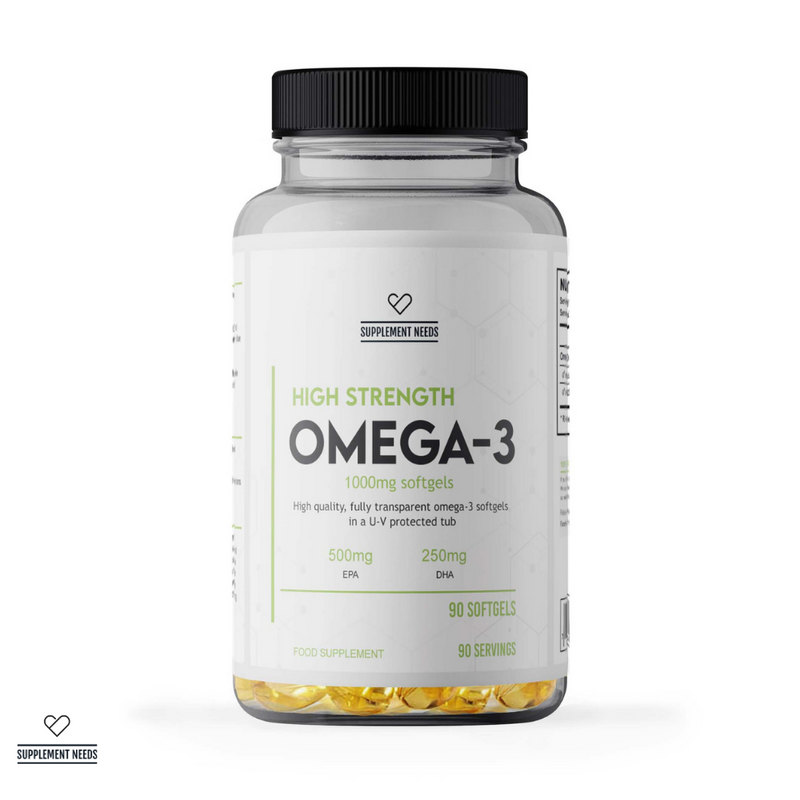
Supplement Needs Omega 3 High Strength

Supplement Needs Omega 3 High Strength provides 500mg of EPA and 250mg of DHA per 1 capsule serving.
The reason Supplement Needs Omega 3 High Strength should be at the top of your shopping list is because the marine-derived long-chain Omega-3s that it contains have been the most consistently studied fats in fatty-liver research. In fact, systematic reviews and meta-analyses of randomised controlled trials show that Omega-3 supplementation can reduce liver fat and improve triglycerides and some liver-enzyme markers in people with non-alcoholic fatty liver disease21.
And, of course, you benefit from all the other characteristics of a Supplement Needs product - formulation by Dr. Dean St. Mart PhD, GMP-manufactured here in the UK, transparent ingredients and more.
Glutathione
Glutathione is another supplement you should have on your ‘fatty liver shopping list’. That’s because it’s the body’s master antioxidant and thus a logical target in fatty liver disease - because oxidative stress contributes to the progression of the disease.
Whilst the evidence base is still developing for Glutathione in relation to fatty liver - some studies suggest a strong link between supplementation and improved liver health. For example, one study found that daily supplementation of Glutathione for four months resulted in significantly reduced levels of ALT. In addition, triglycerides, non-esterified fatty acids, and ferritin levels also decreased22.
Supplement Needs Liposomal Glutathione

Supplement Needs Liposomal Glutathione has been developed to avoid the limitations of traditional oral Glutathione.
We have developed a liposomal form of Glutathione in order to protect the Glutathione from gastrointestinal breakdown and improve systemic availability. Pilot studies have found that oral liposomal Glutathione formulations can raise body Glutathione stores and reduce oxidative-stress markers within days-to-weeks23.
Larger reviews of Glutathione pharmacology have found that liposomal forms may have superior bioavailability versus traditional oral Glutathione24.
To put it another way; if you’re going to add Glutathione to your supplementation regime, make sure it’s Supplement Needs’ liposomal form!
NAC
NAC - also known as N-Acetylcysteine - is a precursor of the amino acid cysteine, which the liver uses to make Glutathione - your body’s principle intracellular antioxidant. By helping to restore hepatic Glutathione levels, NAC reduces oxidative stress inside hepatocytes, supports mitochondrial function and assists several detoxification pathways that are dysfunctional in fatty liver disease25.
NAC has also been studied extensively in relation to non-alcoholic liver disease in particular. A small randomised trial compared oral NAC to Vitamin C in people with NAFLD and found that NAC improved ALT and some other liver-function markers over the study period; in fact, the study authors concluded that NAC “can improve liver function in patients with NAFLD”26.
As we noted above, Supplement Needs TUDCA + NAC contains 900mg of N-Acetyl-L-Cysteine per serving - which is an efficacious dose to help you realise the potential benefits we’ve detailed in this section.
Vitamin E (D-Alpha Tocopheryl)
One of the substances that has the strongest evidence base in relation to fatty liver disease is Vitamin E.
As a fat-soluble antioxidant, Vitamin E can protect cell membranes from oxidative damage. This is relevant in relation to the liver as oxidative stress can contribute to hepatocellular injury and the transition from simple steatosis to steatohepatitis (NASH). By quenching reactive oxygen species and modulating inflammatory pathways, Vitamin E can reduce the injuries that lead to fatty liver disease.
Like many of the other substances we’ve looked at in this article, Vitamin E has a solid evidence base. For example, a large, multi-centre, randomised, double-blind trial27 in adults with biopsy-proven NASH found that Vitamin E supplementation resulted in significant improvement in NASH histology (including steatosis, inflammation, and hepatocellular ballooning).
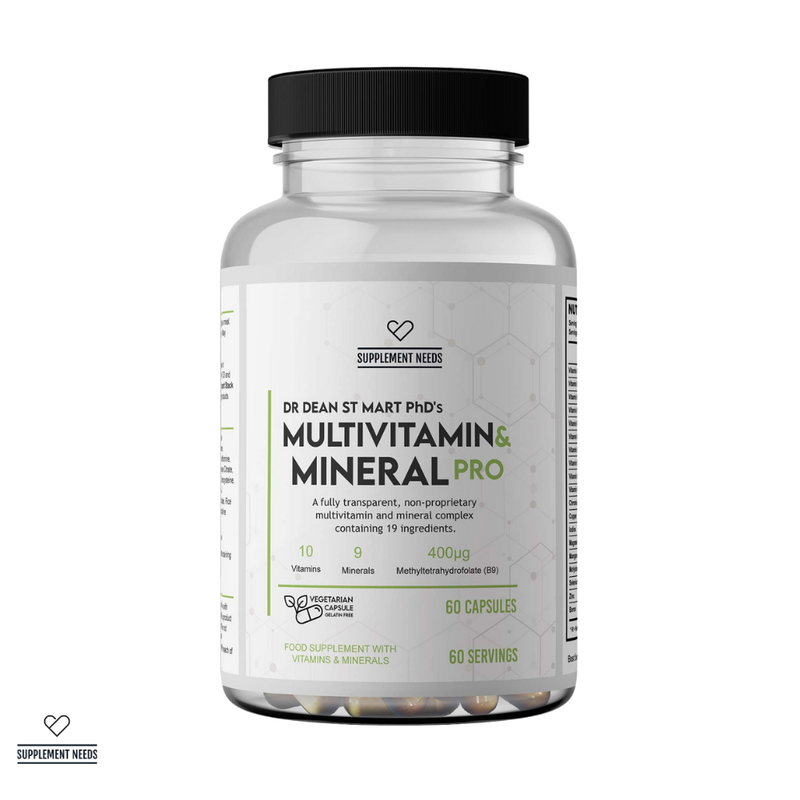
Supplement Needs Multivitamin & Mineral PRO

Perhaps the best way to add Vitamin E into your diet is with Supplement Needs Multivitamin & Mineral PRO.
This specially formulated multivitamin (by Dr. Dean St Mart PhD), supplies 67mg of D-Alpha Tocopheryl per capsule. For comparison, the UK’s recommended intake for adults is around 15mg per day, so the single daily capsule provides more than the typical dietary reference intake.
Thanks to this formulation and efficacious dosage, Multivitamin & Mineral PRO can provide a meaningful dose of Vitamin E that will support daily antioxidant status and contribute to your overall liver health.
de-liver-ance®

Not available online, only at the SN Hub, de-liver-ance is a food supplement that has been specially developed to promote optimal liver function.
It’s 100% plant-based and contains 17 all-natural ingredients - with a focus on prevention and maintenance of the liver rather than cure. Results from pilot studies indicate that Rizasalutem®, the proprietary formula in de-liver-ance, delivers a reduction in blood toxins by 42%.
Looking for a complete liver health solution?

Then Supplement Needs has made it.
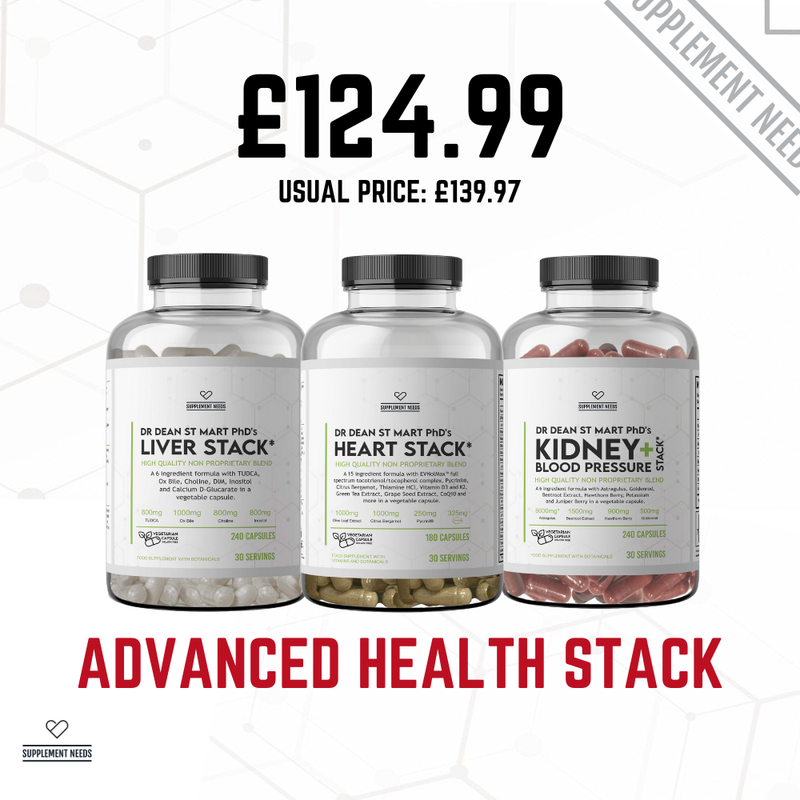
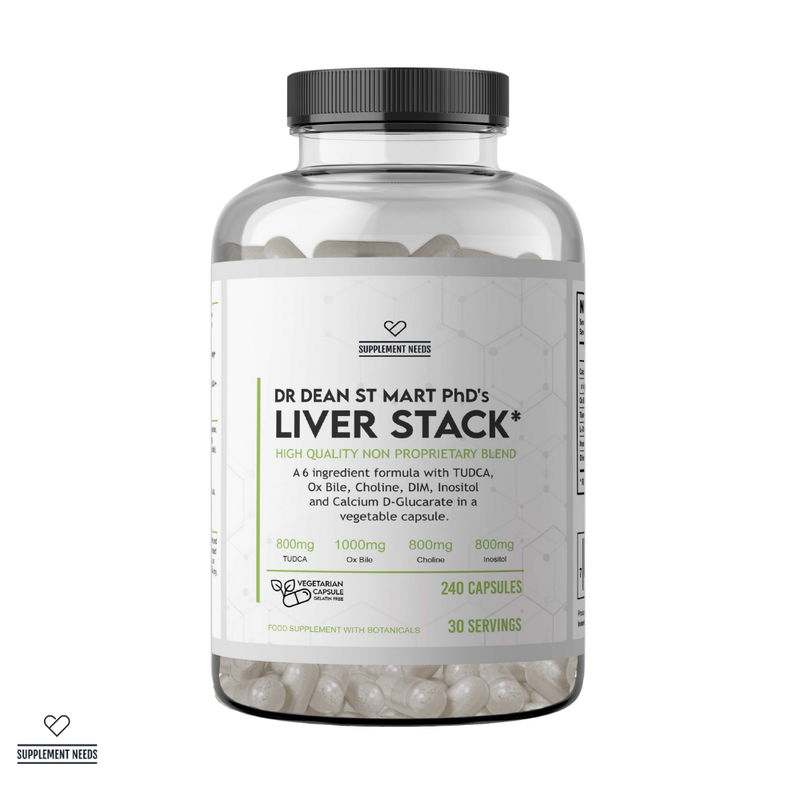
Supplement Needs Liver Stack takes our long-standing formulation expertise to create a multivitamin that combines the essential compounds and substances needed to support liver health.
Liver Stack combines agents that A) support bile physiology and bile-acid signalling (TUDCA and Ox Bile), B) improve hepatic lipid export and metabolism (Choline, Inositol), and C) support phase-II detoxification and reduction of pro-inflammatory signalling (Calcium D-Glucarate, DIM).
This multi-targeted approach aims at each pathway involved in liver-fat accumulation and cellular stress - supporting normal liver function and bile health.
Shop Liver Stack at Supplement Needs now
For more insights and information about supplements, read the Supplement Needs blog…
Everything You Need to Know About Functional Testing | Can Arterial Plaque Be Reversed? | What Are the Best Supplements for High Blood Pressure?
Disclaimer
The information on this website should not be used as a substitute for professional advice or medical care. If you have questions about your health, please contact your doctor.
References
1. Rinella M, Lazarus J, Ratziu V, et. al. A multisociety Delphi consensus statement on new fatty liver disease nomenclature [online]. Available at: https://www.journal-of-hepatology.eu/article/S0168-8278%2823%2900418-X/fulltext (Accessed on 8th February 2026)
2. NHS Inform. Non-alcoholic fatty liver disease (NAFLD) [online]. Available at: https://www.nhsinform.scot/illnesses-and-conditions/stomach-liver-and-gastrointestinal-tract/non-alcoholic-fatty-liver-disease-nafld/ (Accessed on 8th February 2026).
3. British Liver Trust. MASLD, NAFLD and fatty liver disease [online]. Available at: https://britishlivertrust.org.uk/information-and-support/liver-conditions/masld-nafld-and-fatty-liver-disease/ (Accessed on 8th February 2026).
4. Kawanaka M, Nishino K, Morimoto Y. et. al. Progression from Nonalcoholic Fatty Liver to Nonalcoholic Steatohepatitis Cirrhosis Confirmed by Liver Histology after 14 Years [online]. Available at: https://pmc.ncbi.nlm.nih.gov/articles/PMC8170238/ (Accessed on 8th February 2026).
5. Loomba R, Adams L. The 20% Rule of NASH Progression: The Natural History of Advanced Fibrosis and Cirrhosis Caused by NASH [online]. Available at: https://pmc.ncbi.nlm.nih.gov/articles/PMC7504908/ (Accessed on 15th February 2026).
6. Moriles K, Zubair M, Azer S. Alanine Aminotransferase (ALT) Test [online]. Available at: https://www.ncbi.nlm.nih.gov/books/NBK559278/ (Accessed on 14th February 2026).
7. British Liver Trust. AST (Aspartate aminotransferase) [online]. Available at: https://britishlivertrust.org.uk/information-and-support/useful-words-glossary/#:~:text=AST%20(Aspartate%20aminotransferase). (Accessed on 14th February 2026).
8. NHS. Gamma-Glutamyl Transferase (GGT) [online]. Available at: https://www.nwlpathology.nhs.uk/test/gamma-glutamyl-transferase-ggt/ (Accessed on 14th February 2026).
9. Hernaez R, Lazo M, Bonekamp S, et. al. Diagnostic Accuracy and Reliability of Ultrasonography for the Detection of Fatty Liver: A Meta-Analysis [online]. Available at: https://pmc.ncbi.nlm.nih.gov/articles/PMC4197002/ (Accessed on 14th February 2026).
10. British Liver Trust. Transient elastography (Fibrocan) [online]. Available at: https://britishlivertrust.org.uk/information-and-support/tests-diagnosis-and-screening/fibroscan-transient-elastography/ (Accessed on 14th February 2026).
11. Journal of Hepatology. EASL-EASD-EASO Clinical Practice Guidelines for the Management of Non-Alcoholic Fatty Liver Disease [online]. Available at: https://easl.eu/wp-content/uploads/2018/10/NAFLD-English-report.pdf/ (Accessed on 14th February 2026).
12. Journal of Hepatology. EASL-EASD-EASO Clinical Practice Guidelines for the Management of Non-Alcoholic Fatty Liver Disease [online]. Available at: https://easl.eu/wp-content/uploads/2018/10/NAFLD-English-report.pdf (Accessed on 15th February 2026).
13. BUPA. Non-Alcoholic Fatty Liver Disease (NAFLD) [online]. Available at: https://www.bupa.co.uk/health-information/digestive-gut-health/non-alcoholic-fatty-liver-disease (Accessed on 15th February 2026).
14. NHS. Physical activity guidelines for adults aged 19 to 64 [online]. Available at: https://www.nhs.uk/live-well/exercise/physical-activity-guidelines-for-adults-aged-19-to-64/ (Accessed on 22nd February 2026).
15. Hallsworth K, Fattakhova G, Hollingsworth K, et. al. Resistance exercise reduces liver fat and its mediators in non-alcoholic fatty liver disease independent of weight loss [online]. Available at: https://pmc.ncbi.nlm.nih.gov/articles/PMC3152868/ (Accessed on 22nd February 2026).
16. NHS. Alcohol units [online]. Available at: https://www.nhs.uk/live-well/alcohol-advice/calculating-alcohol-units/ (Accessed on 22nd February 2026).
17. Mehedint M, Zeisel S. Choline’s role in maintaining liver function: new evidence for epigenetic mechanisms [online]. Available at: https://pmc.ncbi.nlm.nih.gov/articles/PMC3729018/ (Accessed on 22nd February 2026).
18. Kusaczuk M. Tauroursodexycholate - Bile Acid with Chaperoning Activity: Molecular and Cellular Effects and Therapeutic Perspectives [online]. Available at: https://pmc.ncbi.nlm.nih.gov/articles/PMC6952947/ (Accessed on 22nd February 2026).
19. Wang W, Zhao J, et. al. Tauroursodeoxycholic acid inhibits intestinal inflammation and barrier disruption in NAFLD mice: TUDCA inhibits inflammation and barrier disruption [online]. Available at: https://www.researchgate.net/publication/321088208_Tauroursodeoxycholic_acid_inhibits_intestinal_inflammation_and_barrier_disruption_in_NAFLD_mice_TUDCA_inhibits_inflammation_and_barrier_disruption (Accesseed on 22nd February 2026).
20. Spooner M, Jump D. Omega-3 Fatty Acids and Nonalcoholic Fatty Liver Disease in Adults and Children: Where Do We Stand? [online]. Available at: https://pmc.ncbi.nlm.nih.gov/articles/PMC6355343/ (Accessed on 22nd February 2026).
21. Aziz T, Niraj M, Kumar S, et. al. Effectiveness of Omega-3 Polyunsaturated Fatty Acids in Non-Alcoholic Fatty Liver Disease: A Systematic Review and Meta-Analysis [online]. Available at: https://pmc.ncbi.nlm.nih.gov/articles/PMC11428178/ (Accessed on 22nd February 2026).
22. Honda Y, Kessoku T, Sumida Y, et. al. Efficacy of glutathione for the treatment of nonalcoholic fatty liver disease: an open-label, single-arm, multicenter, pilot study [online]. Available at: https://pmc.ncbi.nlm.nih.gov/articles/PMC5549431/ (Accessed on 22nd February 2026).
23. Sinha R, Sinha I, Calcagnotto A, et. al. Oral supplementation with liposomal glutathione elevates body stores of glutathione and markers of immune function [online]. Available at: https://pmc.ncbi.nlm.nih.gov/articles/PMC6389332/ (Accessed on 22nd February 2026).
24. Santacroce G, Gentile A, Soriano S, et. al. Glutathione: Pharmacological aspects and implications for clinical use in non-alcoholic fatty liver disease [online]. Available at: https://www.frontiersin.org/journals/medicine/articles/10.3389/fmed.2023.1124275/full (Accessed on 22nd February 2026).
25. Yang K, Kim H, Shim Y, et. al. Comprehensive transcriptomic analysis and meta-analysis identify therapeutic effects of N-acetylcysteine in nonalcoholic fatty liver disease [online]. Available at: https://www.frontiersin.org/journals/pharmacology/articles/10.3389/fphar.2023.1186582/full (Accessed on 22nd February 2026).
26. Khosbaten M, Aliasgarzadeh A, Masnadi K, et. al. N-Acetylcysteine Improves Liver Function in Patients with Non-Alcoholic Fatty Liver Disease [online]. Available at: https://pmc.ncbi.nlm.nih.gov/articles/PMC3270338/ (Accessed on 22nd February 2026).
27. The NASH CRN Research Group. Pioglitazone versus Vitamin E versus Placebo for the Treatment of Nondiabetic Patients with Nonalcoholic Steatohepatitis: PIVENS Trial Design [online]. Available at: https://pmc.ncbi.nlm.nih.gov/articles/PMC2929909/ (Accessed on 22nd February 2026).