








Vegan protein vs vegan amino acids
Vegan ISO+ and Vegan Intra EAA are not substitutes.
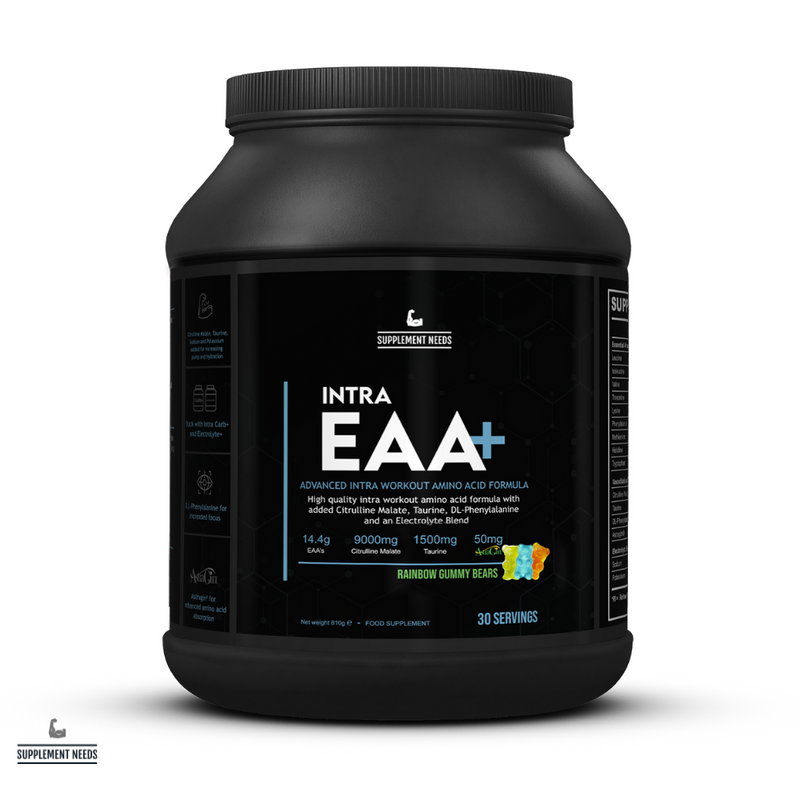
Vegan ISO+ is a protein powder, while Vegan Intra EAA is a free form essential amino acid product.
Vegan omega 3
Vegan Omega collection has a deeper discussion of algae-derived EPA and DHA.
FAQs
What vegan supplements does Supplement Needs offer?
The Supplement Needs Vegan range is organised around vegan protein, vitamins and minerals, amino acids, omega-3 and other vegan-suitable formulas.
The current parent Vegan collection features products including Vegan ISO+, Vegan Intra EAA, Vegan Omega 3 Omegavie and Vegan Ferrochel, while the Vegan navigation also provides dedicated routes into Vegan Protein, Vegan Vitamins & Minerals, Vegan Amino Acids, Vegan Omega and Vegan Ashwagandha.
Customers should shop by nutritional requirement rather than treating every vegan product as part of one mandatory stack.
What is the difference between Vegan ISO+ and Vegan Intra EAA?
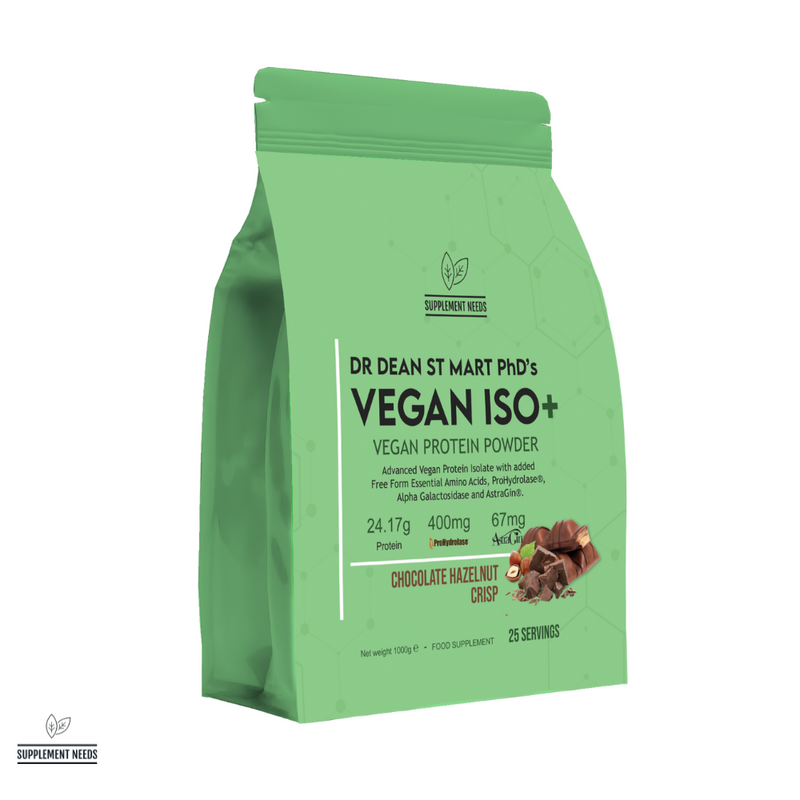
Vegan ISO+ is a protein powder. It combines organic pumpkin protein, pea protein isolate and brown-rice protein with added essential amino acids and currently provides 24.17g protein per 40g serving.
Vegan Intra EAA is a free form essential amino acid product. Each 16.5g serving provides 12.35g EAAs, including 10g BCAAs, alongside Cocomineral, sea salt and AstraGin. It is designed around the peri-workout period rather than as a replacement for a protein shake.
Choose Vegan ISO+ when the priority is daily protein intake.
Choose Vegan Intra EAA when the priority is a vegan essential amino acid drink around training.
Is Vegan Omega 3 made from fish?
No.
Supplement Needs Vegan Omega 3 Omegavie uses algae-derived omega-3 rather than fish oil. The current two capsule daily serving provides 500mg DHA and 100mg EPA from 600mg Omegavie®. The capsule is also listed as a vegan shell.
This makes it the direct vegan EPA/DHA option within the Supplement Needs range.
Which vegan protein should I choose?
Within the Supplement Needs own brand Vegan range, Vegan ISO+ is the dedicated plant based protein powder.
It combines organic pumpkin protein, pea protein isolate and brown rice protein with added essential amino acids, providing 24.17g protein per 40g serving. It is currently available in several flavoured options.
Choose it when you want a vegan protein powder rather than a free-form amino-acid product.
Vegan Intra EAA serves a different peri-workout role and should not be treated as a like-for-like replacement for Vegan ISO+.
Do vegans need a multivitamin?
Not every person following a vegan diet automatically needs the same multivitamin or supplement routine.
Diet quality, fortified foods, individual nutrient intake, lifestyle and professional recommendations should all be considered.
Current UK guidance states that most people should aim to obtain nutrients through a healthy balanced diet, although specific supplements may be recommended in particular circumstances.
Are vegan supplements allergen free?
Not necessarily.
“Vegan” describes ingredient and dietary suitability; it does not automatically mean that the product is free from all recognised allergens or manufactured in an allergen free facility.
For example, Vegan Intra EAA is currently listed as vegan but is manufactured in a facility that also processes products containing egg, nuts, milk, soy, fish and shellfish.
Customers with allergies should always check the current product allergen statement rather than relying on a vegan badge alone.
Are all Supplement Needs products vegan?
No.
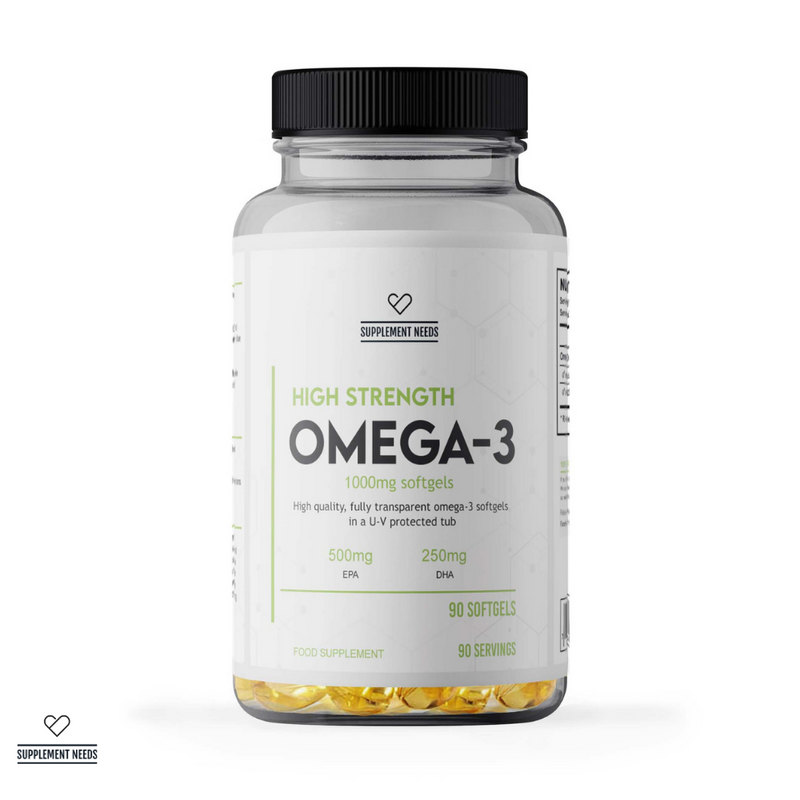
Supplement Needs sells vegan and non-vegan products across its wider Health, Performance and Female ranges. For example, Omega 3 High Strength contains fish oil and a gelatin softgel, while Whey ISO+ contains milk derived whey protein isolate.
What does “vegan” mean for capsule and ingredient sourcing?
For a supplement to be presented as vegan, the finished product and ingredient sources should be suitable for customers avoiding animal derived ingredients.
That means checking more than the headline active ingredient.
Relevant details can include the source of the capsule shell, omega oils, vitamin ingredients, protein sources and processing ingredients.
For example, Vegan Omega 3 uses algae rather than fish and specifies a vegan capsule shell, while Vegan ISO+ uses plant-derived protein sources.
Vegan suitability and allergen management are separate considerations, so customers with allergies should also review each product's facility and allergen information.