





Did you know that most heart attacks don’t occur because an artery has become almost completely blocked? It’s an urban myth. The reality is that most heart attacks come about due to unstable arterial plaques rupturing. This results in a clot that abruptly cuts off blood flow. If that’s news to you, and you’ve been told to focus on your arterial plaque, then this is the article for you…
What to expect in this article
Before you invest your precious time in this article, you’re going to want to know what you’ll get out of it. Well, here’s what to expect:
-
A clear explanation of what arterial plaque is, how it forms, and why it increases the risk of heart attack and stroke.
-
An evidence-based answer to the question: can arterial plaque be reversed?
-
An honest assessment of what modern cardiovascular science supports - and what claims are unrealistic.
-
Practical, research-backed strategies to reduce arterial plaque risk.
-
Where high-quality supplementation may fit as part of a wider cardiovascular health strategy.
If they all sound like things that you want to know, then it’s time to keep reading.
Can arterial plaque be reversed?
Let’s get straight to the heart of the matter (if you’ll excuse the pun). Can arterial plaque be reversed?
First, we must gain a clearer understanding of what arterial plaque actually is, before we can determine whether it can be reversed or not.
What exactly is arterial plaque?
Also known as atherosclerosis, the build up of arterial plaque is a chronic, progressive disease of the arterial wall. This accumulation of ‘plaque’ is driven by the build up of lipids, fibrous elements, inflammatory cells, and - in later stages - calcium.
This build up creates a lesion known as an atheroma or plaque that gradually stiffens and narrows your arteries. This, in turn, reduces blood flow and increases your risk of heart attack, stroke, and other serious health conditions1.
With that in mind, let’s take a closer look at arterial plaque, its composition, and where it accumulates within your arteries.
To put it simply, arterial plaque doesn’t simply float within your bloodstream, but rather develops within the intima - the innermost layer of your arteries. As a result of this pathology, arterial plaque can develop in various vascular beds, including:
-
Coronary arteries (those that supply the heart).
-
Carotid arteries (those that supply the brain).
-
Peripheral arteries (those that supply your limbs e.g. legs).
-
The aorta (the main artery from the heart)2.
It doesn’t take a genius to guess that A) those are some pretty serious arteries, and B) you don’t want arterial plaque building up in them.
Ultimately, this build up results in what many doctors simply refer to as ‘the hardening of the arteries’3.
How does plaque form?
Hopefully, you’ve not got a clear idea of what arterial plaque is.
But, how does it actually form? What is the mechanism of action?
Let’s take a look.
Without going into overly technical detail, arterial plaque will begin to form as a result of injury or dysfunction of the endothelium. As we’ve written about previously, the endothelium is arguably the least known of your body’s organs. It is a single layer of cells that lines all your blood vessels (including the arteries, veins, capillaries, and lymph capillaries) that helps your blood and tissues interact with each other4.
The endothelium can be damaged in a number of ways, including:
-
Oxidative stress and free radical damage.
-
Chronic inflammation.
-
Hypertension (high-blood pressure).
-
Lifestyle factors (e.g. poor diet, smoking, excess alcohol consumption).
This damage can result in circulating low-density lipoprotein (LDL) particles penetrating the arterial wall and becoming trapped. Once trapped, these LDL particles undergo oxidation which attracts immune cells (microphages). These microphages engulf the oxidised LDL and transform into foam cells - which in turn create lesions known as ‘fatty streaks’.
Over time, further lipids, smooth muscle cells, and extracellular matrix accumulate around these fatty streaks resulting in arterial plaque5.
A note on stable vs unstable plaques
It’s important to note at this stage of the article that not all plaques carry the same risk of causing an acute health event. In a broad sense, arterial plaques fall into one of two categories: stable or unstable plaques.
Here’s how these two types of arterial plaques are defined:
-
Stable plaques: these are plaques that tend to have a thick fibrous cap and a smaller lipid core. As the name suggests, these plaques grow slowly and are less prone to rupture - yet, they can still significantly narrow your arteries and restrict blood flow.
-
Unstable plaques: these plaques have a large lipid-core, thin fibrous cap and - you guessed it - a far higher chance of rupturing suddenly. Such sudden ruptures can expose highly thrombogenic (that is, clot-forming) material to your bloodstream.
As you’ve probably already concluded, the risk of a heart attack or stroke strongly correlates with the presence of unstable plaques within your arteries6.
What are the common risk factors for arterial plaque development?
You’ve (hopefully) gathered by this point that you actively want to avoid the development of arterial plaque within your arteries.
So, how can you avoid arterial plaque build up?
The key lies in understanding that atherosclerosis is a multi-factor disease. Both modifiable and non-modifiable risk factors contribute to plaque build up and progression. These include:
-
High levels of LDL cholesterol: elevated levels of circulating LDL is one of the most critical drivers of plaque formation. As we saw earlier, LDL particles can enter the arterial wall and become oxidised7.
-
Hypertension (a.k.a. High blood pressure): elevated blood pressure typically damages the endothelial lining of your arteries, making it easier for those pesky LDL particles to penetrate and oxidise8.
-
Smoking: smoking tobacco is a huge risk factor for arterial plaque build up. It both accelerates endothelial damage and increases oxidative stress9.
-
Diabetes and insulin resistance: both high blood glucose levels and metabolic dysregulation can promote endothelial dysfunction and inflammatory behaviour.
-
Obesity: another major risk factor for arterial plaque accumulation is obesity. Obesity is linked to adverse lipid profiles, hypertension, and systemic inflammation - which all go hand-in-hand with arterial plaque build up10.
-
Age and hereditary factors: the fact is, arterial plaque build up increases with age, whilst genetic predispositions can also accelerate plaque development11.
As you can see, there are multiple factors for arterial plaque development. Plus, these factors don’t necessarily act in isolation, but instead, interlink - with individuals with more than one risk factor experiencing a much greater risk of heart attack and stroke12.
What are the symptoms of arterial plaque build up?
If you’re worried that you may already be experiencing a degree of arterial plaque build up, then there are a number of tell-tale symptoms you can look out for (although please note - we are NOT offering medical advice here. If you have genuine concerns about atherosclerosis, please see a medical professional as soon as possible).
Some of the symptoms associated with arterial plaque build up include13:
-
Angina: a degree of chest pain or discomfort during exertion can indicate coronary artery restriction.
-
Claudication: leg pain whilst walking is another symptom of atherosclerosis.
-
Transient ischaemic attacks: stroke symptoms are associated with atherosclerosis.
Important! Atherosclerosis often doesn’t present any noticeable symptoms until plaque progression significantly impedes blood flow. If you are concerned about arterial plaque build up, you should have regular blood pressure and cholesterol checks with your doctor.
‘Reversing’ arterial plaque
We are perhaps at the crux of this article. Is it actually possible to ‘reverse’ arterial plaque?
The short answer is yes - but, with nuances.
By the concept of ‘reversal’, we aren’t referring to ‘flushing your arteries clean of plaque’. Instead, reversal should be seen as a three step process: halting progression, stabilising plaque, and regression.
Let’s see what each of these stages involves below:
Halting progression
The first - and most realistic - step in halting (or, indeed, reversing) arterial plaque involves halting its progression.
One must stop arterial plaque build up from getting worse, before you attempt to address and reverse it.
A typical treatment to halt arterial plaque progression is high-dose statins. These work by dramatically reducing the amount of LDL cholesterol in the bloodstream. When there is less LDL available, your body will stop feeding new fat into the existing arterial plaque14.
Another treatment that has gained in popularity in recent years is the use of PCSK9 inhibitors. These are injectable antibodies (e.g. alirocumab, evolocumab) that dramatically lower LDL. However, this treatment tends to be reserved for very high-risk patients or those with familial hypercholesterolemia. Interestingly, studies15 have found that the use of PCSK9 inhibitors can result in ‘additional plaque shrinkage’ when added on top of statins.
Note: whilst we’ve looked at high-dose statins as a means of halting the progression of arterial plaque, there are a number of natural alternatives including intensive diet and lifestyle intervention, weight loss and exercise, and the use of natural compounds within your diet.
Stabilising plaque
Once the progression of plaque accumulation has been halted, the next step that interventions will try to achieve is ‘plaque stabilisation’.
As we saw earlier, there are two types of arterial plaque: stable and non-stable.
This stage of intervention involves trying to change plaque composition from non-stable to stable, ensuring that where plaque is present, it features a thicker, stronger fibrous cap and a reduced lipid core.
How is such stabilisation achieved? Typically via the administration of statins or other lipid-lowering drugs. Such interventions have been shown in numerous studies to reduce inflammation and promote structural reinforcement of plaque16.
Such plaque stabilisation is critically important in reducing the likelihood of future acute health events. To refer to our earlier point, plaque vulnerability (e.g. non-stable plaque), is closely tied in the medical literature to clinical risk (heart attack and stroke etc)17.
Regression
The final stage in ‘plaque reversal’ is regression. However, this term is somewhat of a misnomer. The reality is that this stage is more likely to see ‘modest shrinkage’ of the plaque as opposed to a complete regression or reversal of the accumulated plaque.
Again, the main intervention centres on intensive lipid-lowering therapies (e.g. statins). To give you an idea of how widely statins are used amongst the general population, consider that as of March 2023, 82.2% of patients with recorded CVD (in the UK) were being treated with a lipid lowering therapy18. This is a broadly used therapeutic intervention for arterial plaque.19
As one detailed meta-analysis found, more aggressive lipid-lowering therapies are associated with greater regression of arterial plaque.
Other studies have reinforced the benefits of arterial plaque regression. A 2023 study20 found that ‘for each one percent reduction in coronary atherosclerotic plaque volume (percent atheroma volume, PAV), observed in lipid-lowering therapy trials, there was about a 25 percent reduction in the odds of experiencing a major adverse cardiovascular event’.
In short - whilst it’s not possible to completely reverse arterial plaque, with the use of both lifestyle changes and targeted medical interventions, it can be possible to achieve a degree of ‘modest shrinkage’ of plaque.

Practical strategies to reduce arterial plaque
Naturally, you probably don’t want to reach the stage where you have such arterial plaque levels that you require statins or other intensive interventions.
So, what can you do to prevent (or at least slow) the accumulation of arterial plaque? Below, the Supplement Needs team has set out our top strategies that can help you lead a healthier lifestyle that will support better cardiovascular health:
-
Maintain a diet that lowers LDL naturally: eating specific ‘heart-healthy’ diets has been shown in clinical research21 to reduce LDL cholesterol and improve overall lipid profiles. Examples of such heart-healthy diets include plant-focused diets. Furthermore, swapping out saturated and trans fats for healthier fats (such as polyunsaturated and monounsaturated fats from olive oil and nuts), and increasing your intake of fruits, vegetables, whole grains, and legumes can improve heart health.
-
Eat soluble fibres: another diet-related strategy is to ensure you are eating soluble fibres (such as the beta-glucans that are found in oats and barley). Studies22 have shown that beta-glucans bind cholesterol in the digestive tract, reducing its absorption and leading to lower LDL cholesterol levels.
-
Consume plant sterols and stanols: studies23 have suggested that consuming approximately 2-3 grams of plant sterols each day can lower LDL cholesterol by around 7-12% within a few weeks. This appears to be due to sterols having a similar structure to cholesterol - and thus leading them to compete with dietary cholesterol for absorption in the GI tract.
-
Engage in regular physical activity: this may seem like an obvious strategy, but engaging in regular physical activity can have a measurable impact upon atherosclerosis. Randomised trials24 have demonstrated that endurance exercise in particular can contribute to lowering LDL cholesterol concentrations.
-
Weight loss: closely linked to the above point, losing weight (and improving your general metabolic health), can lead to improvements in LDL profiles and slow the accumulation of arterial plaque. In fact, one notable study25 found that weight loss combined with a heart-healthy diet and exercise ‘tends to produce greater reductions in LDL that either intervention alone’.
Whilst the above strategies are likely to lead to more modest LDL reductions (and, thus prevention of arterial plaque build up) compared to high-intensity lipid-lowering interventions - they can still contribute meaningfully to cardiovascular health and risk reduction26.
Are there supplements that can help with arterial plaque?
You’re reading this on a supplement retailer’s website - so, it’s probably safe for us to assume that you’re wondering if there are any supplements that can help with arterial plaque and general cardiovascular health?
Our answer is yes - but indirectly.
There are no supplements that can ‘cure’ or ‘reverse’ atherosclerosis - however, studies have demonstrated that there are a number of natural compounds that can have biological effects on lipid metabolism, inflammation, endothelial function, and other pathways that can result in plaque development.
In other words - supplements can’t reverse arterial plaque directly - but as part of a broader set of lifestyle and dietary changes, they may have a mild therapeutic effect.
Below, we’ve set out those supplements that have shown to have at least some modest impact upon those arterial plaque development pathways we mentioned above.
Omega-3

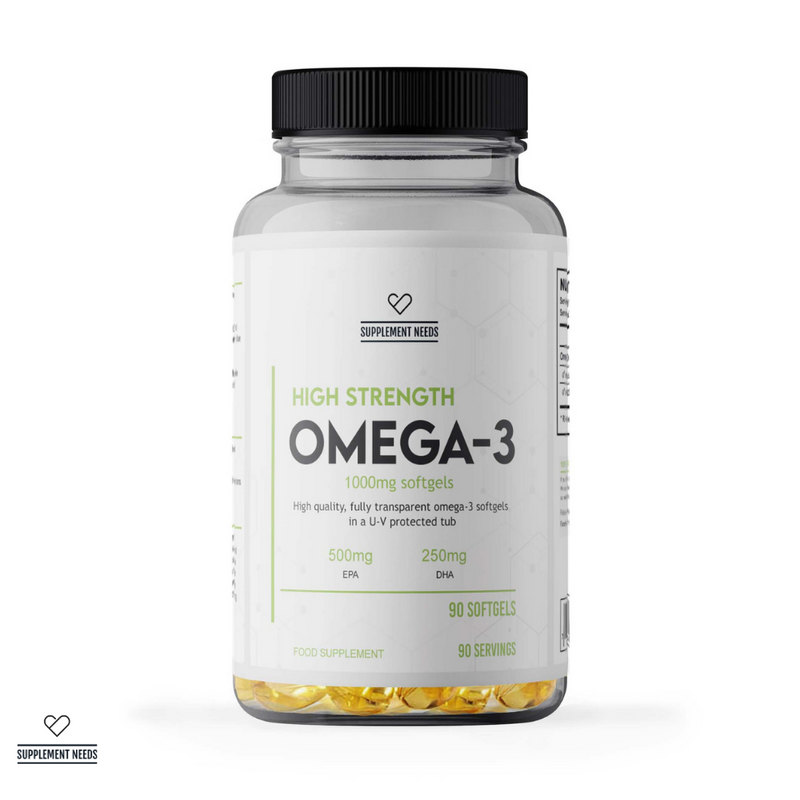
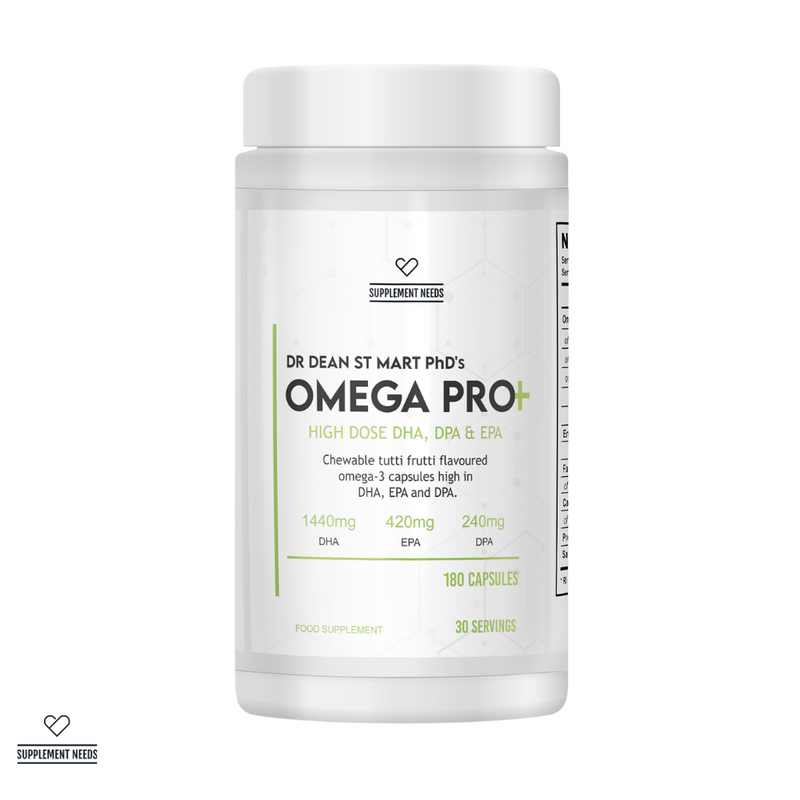
Omega-3 polyunsaturated fatty acids, especially eicosapentaenoic acid (EPA) and docosahexaenoic acid (DHA) from fish oil, have been widely studied in cardiovascular research. Both experimental and cohort-based studies27 suggest that higher EPA/DHA intake is associated with lower risk of coronary events and improvements in some markers of atherosclerosis.
Coenzyme Q10 (CoQ10)

CoQ10 is a naturally occurring antioxidant involved in cellular energy production. Whilst CoQ10 hasn’t been proven to reduce plaque volume by itself, small studies28 have shown that when combined with other compounds such as aged garlic extract, CoQ10 has shown beneficial effects on inflammatory markers and slower progression of atherosclerosis (in a randomised clinical trial, compared to a placebo).
Vitamins K2 and D3

Vitamins K2 and D3 are vitamins that are involved in several physiological processes - but perhaps most notably vascular biology.
Some limited studies29 have suggested that Vitamin K2 may help regulate calcium deposition in the vessel wall and slow arterial stiffening, potentially mitigating atherosclerosis progression (although, this is very limited evidence).
Magnesium

Arguably one of the most important minerals in relation to cardiovascular health, Magnesium supports vascular tone, blood pressure regulation, and cellular metabolism.
Amongst the roles that Magnesium can play in relation to arterial plaque include improving endothelial function30, and lowering risk of major cardiovascular disease and coronary heart disease31.
A swathe of other studies32 have also linked dietary Magnesium supplementation with improved blood pressure control and endothelial function.
Red yeast rice

Red yeast rice is considered a ‘nutraceutical’ that acts directly on cholesterol metabolism. It contains monacolins, including monacolin K, which is chemically similar to the statin lovastatin and has been shown in clinical studies to lower LDL cholesterol and total cholesterol33.
If you want to add a high-quality source of red yeast rice to your diet, then consider Supplement Needs Lipid+ which contains red yeast rice extract for monacolin K.
An all-in-one approach to heart health: Supplement Needs Heart Stack

As you’ve just read, supporting cardiovascular health rarely (if ever) comes down to a single nutrient or mechanism. Arterial plaque formation and progression are influenced by multiple overlapping factors, including lipid metabolism, inflammation, endothelial function, blood pressure regulation, oxidative stress, and mitochondrial energy production.
Addressing just one of these often leaves important gaps.
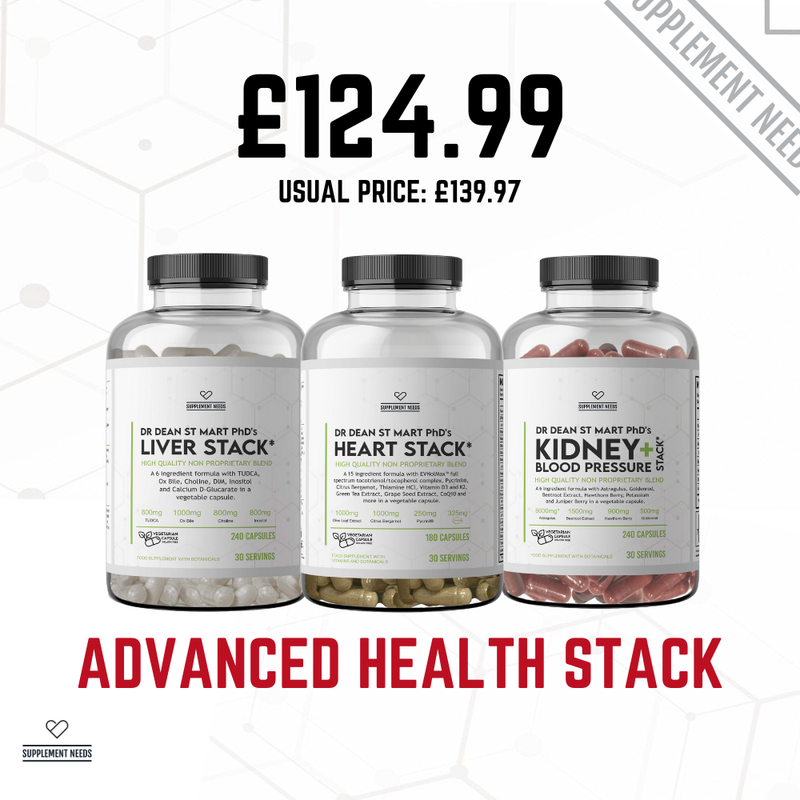
That’s why Dr Dean St. Mart PhD has developed Supplement Needs Heart Stack - a comprehensive, all-in-one heart health supplement that targets several of the key biological pathways involved in cardiovascular risk.
Combining 15 ingredients, Heart Stack includes important compounds that we’ve discussed above including: CoQ10, Vitamin D3 and K2 and more.
If you’re looking for the ultimate heart health supplement, you’ve just found it…
Shop Supplement Needs Heart Stack today
For more insights and information about supplements, explore the Supplement Needs blog…
How to Improve Your Cardiovascular Health: The Ultimate Guide to Heart Health Supplements | What Are the Best Supplements for High Blood Pressure? | What Is TUDCA & What Does It Do?
Disclaimer
The information on this website should not be used as a substitute for professional medical care or advice. If you have questions about your health, please contact your doctor.
References
1. Jebari-Benslaiman S, Galicia-Garcia U, Larrea-Sebal A, et. al. Pathophysiology of Atherosclerosis [online]. Available at: https://pmc.ncbi.nlm.nih.gov/articles/PMC8954705/ (Accessed on 17th January 2026).
2. ibid.
3. John Hopkins Medicine. Atherosclerosis [online]. Available at: https://www.hopkinsmedicine.org/health/conditions-and-diseases/atherosclerosis (Accessed on 17th January 2026).
4. Kerr P, Tam R, Plane F. Mechanisms of Vascular Disease: A Reference Book for Vascular Specialists [online]. Available at: https://www.ncbi.nlm.nih.gov/books/NBK534266/ (Accessed on 17th January 2026).
5. Jebari-Benslaiman S, Galicia-Garcia U, Larrea-Sebal A, et. al. Pathophysiology of Atherosclerosis [online]. Available at: https://pmc.ncbi.nlm.nih.gov/articles/PMC8954705/ (Accessed on 17th January 2026).
6. Wikipedia. Vulnerable plaque [online]. Available at: https://en.wikipedia.org/wiki/Vulnerable_plaque (Accessed on 17th January 2026).
7. Wikipedia. Lipid hypothesis [online]. Available at: https://en.wikipedia.org/wiki/Lipid_hypothesis (Accessed on 17th January 2026).
8. National Heart, Lung, and Blood Institute. Atherosclerosis: Causes and Risk Factors [online]. Available at: https://www.nhlbi.nih.gov/health/atherosclerosis/causes (Accessed on 17th January 2026).
9. Libby P, Buring J, Badimon L, et. al. Atherosclerosis [online]. Available at: https://www.nature.com/articles/s41572-019-0106-z (Accessed on 17th January 2026).
10. Patial S, Sharma A, Raj K, et. al. Atherosclerosis: Progression, risk factors, diagnosis, treatment, probiotics and synbiotics as a new prophylactic hope [online]. Available at: https://www.sciencedirect.com/science/article/pii/S2950194624001791 (Accessed on 17th January 2026).
11. National Heart, Lung, and Blood Institute. Atherosclerosis: Causes and Risk Factors [online]. Available at: https://www.nhlbi.nih.gov/health/atherosclerosis/causes (Accessed on 17th January 2026).
12. Bogaart M, Snaterse M, Trier T, et. al. Differences in long-term impact of traditional risk factors for atherosclerosis on different arterial territories: insights from over 20 years of follow-up in the EPIC-Norfolk prospective population study [online]. Available at: https://academic.oup.com/eurjpc/advance-article/doi/10.1093/eurjpc/zwaf664/8287147 (Accessed on 17th January 2026).
13. NHS. Atherosclerosis [online]. Available at: https://www.nhs.uk/conditions/atherosclerosis/ (Accessed on 17th January 2026).
14. Sarraju A, Nissen S. Atherosclerotic plaque stabilisation and regression: a review of clinical evidence [online]. Available at: https://pubmed.ncbi.nlm.nih.gov/38177454/ (Accessed on 17th January 2026).
15. Rivera F, Cha S, Varona M, et. al. Atherosclerotic coronary plaque regression from lipid-lowering therapies: A meta-analysis and meta-regression [online]. Available at: https://pmc.ncbi.nlm.nih.gov/articles/PMC10966153/ (Accessed on 20th January 2026).
16. Dave T, Ezhilan J, Vasnawala H, Somani V. Plaque regression and plaque stabilisation in cardiovascular diseases [online]. Available at: https://pmc.ncbi.nlm.nih.gov/articles/PMC3872716/ (Accessed on 18th January 2026).
17. Paramo J, Civeira F. Is regression of atherosclerotic plaque possible? [online]. Available at: https://www.sciencedirect.com/science/article/abs/pii/S2529912316000024 (Accessed on 18th January 2026).
18. NHS England. Improving lipid management to reduce cardiovascular disease and save lives [online]. Available at: https://www.england.nhs.uk/long-read/improving-lipid-management-to-reduce-cardiovascular-disease-and-save-lives/ (Accessed on 18th January 2026).
19. Rivera F, Cha S, Varona M, et. al. Atherosclerosis coronary plaque regression from lipid-lowering therapies: A meta-analysis and meta-regression [online]. Available at: https://pmc.ncbi.nlm.nih.gov/articles/PMC10966153/ (Accessed on 18th January 2026).
20. Iatan I, Guan M, Humphries K. Cardiovascular Events: A Systematic Review and Updated Meta-Regression Analysis [online]. Available at: https://jamanetwork.com/journals/jamacardiology/fullarticle/2809089 (Accessed on 18th January 2026).
21. Ornish D, Scherwitz L, Billings J, et. al. Intensive lifestyle changes for reversal of coronary heart disease [online]. Available at: https://pubmed.ncbi.nlm.nih.gov/9863851/ (Accessed on 18th January 2026).
22. McRorie Jr. Evidence-Based Approach to Fiber Supplements and Clinically Meaningful Health Benefits, Part 1 [online]. Available at: https://pmc.ncbi.nlm.nih.gov/articles/PMC4415962/ (Accessed on 18th January 2026).
23. Heart UK. Plant sterols and sterol esters [online]. Available at: https://www.heartuk.org.uk/four-cholesterol-lowering-foods/sterols-and-stanols (Accessed on 18th January 2026).
24. Bouillon K, Singh-Manoux A, Jokela M, et. al. Decline in low-density lipoprotein cholesterol concentration: lipid-lowering drugs, diet, or physical activity? Evidence from the Whitehall II study [online]. Available at: https://heart.bmj.com/content/97/11/923 (Accessed on 18th January 2026).
25. Rensburg W. Lifestyle Changes Alone Sufficient to Lower Cholesterol in Male Patient With Moderately Elevated Cholesterol: A Case Report [online]. Available at: https://pmc.ncbi.nlm.nih.gov/articles/PMC6378490/ (Accessed on 18th January 2026).
26. Rosenthal R. Effectiveness of altering serum cholesterol levels without drugs [online]. Available at: https://pmc.ncbi.nlm.nih.gov/articles/PMC1312230/ (Accessed on 18th January 2026).
27. Djuricic I, Calder P. N-3 Fatty Acids (EPA and DHA) and Cardiovascular Health - Updated Review of Mechanisms and Clinical Outcomes [online]. Available at: https://pmc.ncbi.nlm.nih.gov/articles/PMC12628397/ (Accessed on 18th January 2026).
28. Zeb I, Admadi N, Nasir K, et. al. Aged garlic extract and coenzyme Q10 have favorable effect on inflammatory markers and coronary atherosclerosis progression: A randomized clinical trial [online]. Available at: https://pmc.ncbi.nlm.nih.gov/articles/PMC3425023/ (Accessed on 18th January 2026).
29. Shioi A, Morioka T, Shoji T, Emoto M. The Inhibitory Roles of Vitamin K in Progression of Vascular Calcification [online]. Available at: https://pmc.ncbi.nlm.nih.gov/articles/PMC7071387/ (Accessed on 18th January 2026).
30. Marques B, Klein M, Cunha M, et. al. Effects of Oral Magnesium Supplementation on Vascular Function: A Systematic Review and Meta-analysis of Randomized Controlled Trials [online]. Available at: https://pubmed.ncbi.nlm.nih.gov/31845310/ (Accessed on 18th January 2026).
31. Rosique-Esteban N, Guasch-Ferre M, Hernandez-Alonso P, Salas-Salvado J. Dietary Magnesium and Cardiovascular Disease: A Review with Emphasis in Epidemiological Studies [online]. Available at: https://pmc.ncbi.nlm.nih.gov/articles/PMC5852744/ (Accessed on 18th January 2026).
32. Cunha A, D’El-Rei J, Medeiros F, et. al. Oral magnesium supplementation improves endothelial function and attenuates subclinical atherosclerosis in thiazide-treated hypertensive women [online]. Available at: https://journals.lww.com/jhypertension/abstract/2017/01000/oral_magnesium_supplementation_improves.15.aspx (Accessed on 18th January 2026).
33. Fogacci F, Giovannini M, Micoli V, et. al. Evaluation of the effect of a dietary supplementation with a red yeast rice and fish oil-containing nutraceutical on lipid pattern, high sensitivity C-reactive protein, and endothelial function in moderately hypercholesterolaemic subjects: a double-blind, placebo-controlled, randomised clinical trial [online]. Available at: https://pmc.ncbi.nlm.nih.gov/articles/PMC10811543/ (Accessed on 20th January 2026).