






Including your heart, blood vessels, and your blood, the cardiovascular system controls the flow and supply of said blood within the body. Poor cardiovascular health can lead to heart attacks, strokes, chronic kidney disease1 and more, so it is key that you look after your heart health.
In this guide, we’ll take you through everything you need to know about how each part of the cardiovascular system works, and some of the methods and lifestyle choices you can make to protect and support your heart health…
Understanding the cardiovascular system
Affecting around seven million people in the UK, cardiovascular disease is one of the leading causes of death and disability, and is responsible for one in four premature deaths in the UK2. However, CVD can largely be prevented by leading a healthy lifestyle3.
But, before you can learn how to improve your cardiovascular health, it’s worth learning just what your cardiovascular system is, what it does, and why it’s so important.
Note: you may be noticing some similarities between the cardiovascular and circulatory system. These terms are often used interchangeably, as they refer to the same system4. For consistency, we will continue to use ‘cardiovascular system’ in this article.
What does the cardiovascular system do?
At its simplest, your cardiovascular system is responsible for providing the body with blood. Various stimuli can increase or decrease the velocity (speed) and quantity of blood carried through your blood vessels5, depending on your needs at the time.
Parts of the cardiovascular system
The cardiovascular system is made up of your heart, your blood vessels, and your blood. These all play a role in an incredibly impressive, complex series of processes that happen all around the body within the space of a heartbeat.
The heart
It somewhat goes without saying, but your heart is a key component of the cardiovascular system. In fact, ‘cardi-’/‘cardio’ stems from the Latinised form of the Greek word ‘kardia’, which means heart6.
As a muscle, the heart is essential for pumping blood around the body. It does this through two divided systems, called systemic and pulmonary, to ensure that the right blood makes it to the right parts of your body7.
Note: this is controlled by the different sides of your heart to prevent crossover, while internal valves prevent backflow.
-
The pulmonary system: as the name suggests, this part of the cardiovascular system involves the lungs.
-
Deoxygenated blood returns from the body to the right side of the heart, gathering in the right atrium. Deoxygenated blood from the heart also enters here through something called the coronary sinus.
-
This blood passes through the tricuspid valve into the right ventricle, where it is pumped back up to the lungs via the pulmonary artery.
-
Once it reaches the lungs, it can be reoxygenated and sent back to the heart.
-
The systemic system: once blood has been reoxygenated, it moves through the systemic system.
-
Four pulmonary veins carry oxygenated blood from the lungs to the left atrium, where it collects before passing through the bicuspid valve.
-
From there, the blood is pumped out of the left ventricle via the aortic valve into the aorta, and therefore to the rest of the body.
-
Once depleted of oxygen, the blood is sent back to the heart via the inferior and superior vena cavae.
Top tip: think of the atrium as a type of reservoir or collection chamber, while the ventricle is the primary part of the heart that pumps your blood to the rest of the body.
To help you visualise the different areas of the heart, we’ve included a labeled diagram below.

Blood vessels
The next part of the cardiovascular system to consider are the blood vessels. Known as the peripheral vascular system, there are several types of blood vessels that exist outside of the heart within the body8.
Arteries and arterioles
Arteries are one of the key providers of blood to the body; transporting oxygenated blood away from the heart. The main arteries divide and get smaller when they reach the organs.
Otherwise, arteries are generally the widest vessels in the body, and always at a high pressure. This means they have a higher percentage of elastin in their tissues to provide the stretch needed to withstand this pressure. Even with this pressure however, only about 10-15% of your total blood volume is contained within your arteries9.
There are two types of arteries found in the body, differentiated by their composition. Or, more simply:
-
Elastic arteries: elastic arteries are the ones closest to the heart (i.e. the aorta and the pulmonary artery). They have a higher amount of elastic tissue to allow for the pressure variations as the heart pumps.
-
Muscular arteries: as the name suggests, muscular arteries have more smooth muscle cells than elastic tissue. These include the brachial arteries, the femoral artery, etc.
Arterioles provide the connection between larger arteries and capillaries. Basically, they can act as a ‘middle man’, able to handle and maintain your blood pressure while controlling how much blood flows to different parts of your organs10 at a time.
At the most basic level, the system for transporting oxygenated blood to the body looks like this:
Heart → Artery → Arteriole → Capillary → Muscle/Organ Tissue
Veins and venules
Once your body has used the oxygen and nutrients in the blood, it needs a way to send the blood (now containing carbon dioxide and other waste materials) back to the heart. This is where veins come in.
Veins carry blood back to the heart. Structurally, they have thinner, less elastic walls which allows them to transport a higher volume of blood (roughly three quarters of the total blood volume) at a lower pressure than arteries11. The primary veins leading back to the heart are the Vena Cavae12:
-
The Vena Cava Inferior: this is the largest vein in the body, and is responsible for bringing blood back to the heart from below the diaphragm (the muscle that sits below your lungs and separates the chest from the abdomen).
-
The Vena Cava Superior: the second-largest vein, the vena cava superior brings back deoxygenated blood from the upper body to the heart.
Much like arterioles in function (if not structure), venules take blood from the capillaries to connect back to the larger venous system for delivery back to the heart. To put it very simply, the system for deoxygenated blood follows this structure.
Muscle/Organ Tissue → Capillary → Venule → Vein → Heart
Capillaries
Lastly, you have capillaries. These are tiny blood vessels found throughout your organ and muscle tissues: and is where the actual transfer of oxygen and nutrients happen. To put it another way, think of your veins and arteries as transporter trains, while your capillaries contain the stops at which the nutrients and gases get on and off.
Capillaries are incredibly delicate, with thin walls to allow molecules to pass through. There are three types of capillary that are found in different parts of the body13.
-
Continuous fenestrated capillaries: found mainly in the kidneys, small intestines, and endocrine glands, this type of capillary has small fenestrae (windows or openings) that allow substances to pass through quickly.
-
Continuous non-fenestrated capillaries: instead of windows, non-fenestrated capillaries have very thin linings that only small molecules can actually transfer through. They’re found in the nervous system and your muscle and fat tissues.
-
Sinusoidal capillaries: primarily found in the liver, sinusoidal capillaries allow certain substances to pass through openings in the walls.
Fun fact: capillaries are smaller than a human hair, and this size means that even red blood cells can only pass through one after another.14
Blood
The cardiovascular system would be redundant without the final part: your blood. Blood, and the individual components within, serve various important functions in the body.
-
Red blood cells: red blood cells (erythrocytes) are ‘responsible for transporting gases and nutrients throughout the human body’15. They contain haemoglobin proteins, which can bind and unbind oxygen for transport to the cells16.
-
White blood cells: leukocytes, or white blood cells, are an integral part of the immune system. Depending on the type of white blood cell, this can be via responding to inflammation, or recognising and destroying foreign bacteria and viruses17.
-
Platelets: platelets (thrombocytes) are vital in the healing process. When a vessel wall is damaged or ruptures, platelets are triggered to form a protective layer that prevents blood loss while your body heals itself18.
-
Plasma: lastly, plasma is the actual ‘liquid’ part of your blood. Plasma is roughly 91% water, while the remaining 9% is made up of various solids such as electrolytes, coagulants (blood clotting materials), proteins, and immunoglobulins (antibodies)19.
Why is cardiovascular health important?
Clearly, there is a lot of work involved in keeping your heart pumping, and blood circulating around the body. Keeping this system healthy means that it can continue to work efficiently, allowing you to maintain your quality of life.
Or, put another way, having a healthy heart and vascular system means you can live your life to the best of your ability (with fewer worries of future health problems). As we touched on above, poor cardiovascular health can lead to a higher risk of life-changing medical events, such as strokes, heart attacks, and heart disease. There are a few underlying causes for these conditions, including20:
-
High blood pressure: hypertension, or high blood pressure, puts a lot of strain on your blood vessels, which can lead to damage over time.
-
High cholesterol: excess cholesterol can collect and gather in your blood vessels, causing them to narrow. This prevents blood from flowing as smoothly, and may even cause a clot.
-
Diabetes: elevated levels of blood sugar can damage your blood vessels. With diabetes, it’s harder to maintain a consistent blood sugar, which is why there is an increased risk of heart disease21.
-
Smoking: the chemical components in cigarettes can make the walls of your arteries sticky, increasing the chances of fatty deposits sticking and clogging your arteries and veins. The carbon monoxide also impacts how well your red blood cells carry oxygen, forcing your heart to work harder over time22.
How to improve your cardiovascular health
Your cardiovascular health is essential: this is clear. Fortunately, there are several ways you can improve and maintain a healthy cardiovascular system, which we will explore in more detail below.
Eat a healthy, balanced diet
The cornerstone of supporting your health is a balanced, varied diet. Making sure you eat plenty of fruits and vegetables, fibre, carbohydrates, and lean proteins provides your body with everything it needs to function.
For heart health in particular, you should keep an eye on your intake of:
-
Salt: salt helps your kidneys control how much water is in your blood, so you need some in your diet. Too much however can affect this balance, increasing your blood pressure23.
-
Fats: fats have been demonised in the media and health culture, but you do actually need some in your diet. Not only do they help with the absorption of certain vitamins, but they’re also a useful future energy source24. Instead, it is the type of fat that tends to be the issue.
-
Saturated fats: saturated fats are found in animal products like eggs, butter, and fatty cuts of meat, as well as many pre-prepared and packaged foods (cakes, chocolate, ice cream etc). Elevated levels of saturated fats can prevent the liver from reacting effectively to non-HDL cholesterol (the “bad” kind), increasing your risk of high cholesterol and potential clots in your blood vessels25. Reducing these fats in your diet helps to protect your cardiovascular system from strain.
-
Unsaturated fats: both research26 and NHS guidance27 recommends replacing saturated fats with unsaturated fats, as these have been shown to help reduce cholesterol levels. These are commonly found in nuts, olive or rapeseed oil, and oily fish like salmon and mackerel.
-
Refined sugars: refined sugars, like those found in fizzy drinks, have been linked to a higher risk of cardiovascular diseases28.
Note: consult a medical doctor before making significant changes to your diet.
Exercise regularly
Improved technology and changes in work settings has led to a rise in sedentarism. This describes an increase in sedentary behaviour, where people are sitting or standing in place for long periods of time. Sedentarism itself has become a higher risk factor for chronic and non-communicable diseases, like heart disease, obesity, etc29.
Exercise however, is incredibly cardioprotective. Exercise can positively impact all three parts of the cardiovascular system30.
-
Exercise and the heart: the heart is a muscle, and like any other muscle, regular exercise helps to make it stronger (by increasing the thickness of the ventricle wall). A stronger heart doesn’t need to work as hard to pump blood around the body. Regular exercise also helps to improve the functional adaptation of the heart (the adaptations that create survival advantages), increasing cardiac output and helping to regulate the electrical signalling within the heart, stabilising the heartbeat.
-
Exercise and blood vessels: regular exercise improves vasodilation, which is the technical term for when blood vessels expand and relax. This allows the vessels to deliver more blood where it is needed. Exercise also helps to manage your blood pressure, protecting your vessels from damage.
-
Exercise and blood: studies show that hematopoiesis (the process of making blood) increases in the immediate aftermath of exercise, which helps to increase oxygen delivery around the body.
The NHS recommends that adults do ‘at least 150 minutes of moderate activity a week’31, which can include cycling, brisk walking, moderate workouts etc.
Consider heart health supplements
Eating well and exercising regularly are the usual suspects when it comes to talking about improving your cardiovascular health. But what about when you struggle to meet your dietary needs through food alone?
The very best cardiovascular support supplements provide an easy, convenient way to include valuable nutrients into your diet: without the worry of filler or poorly sourced ingredients. At Supplement Needs, we have an excellent selection of especially-curated heart health supplements you can choose from.
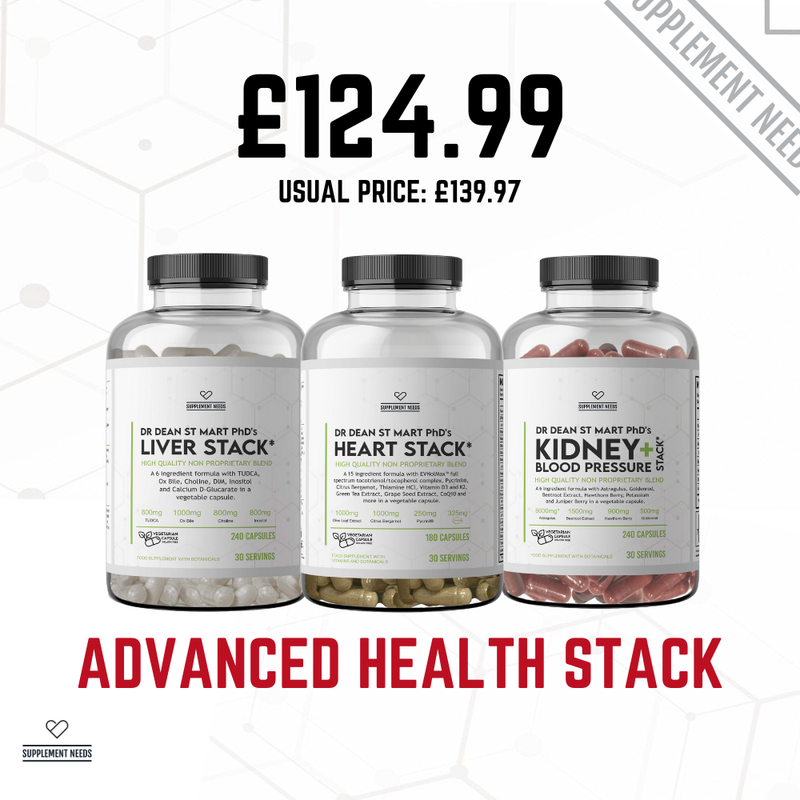
Supplement Needs Heart Stack

First on the roster is the Supplement Needs Heart Stack. This supplement has been expertly formulated with a range of heart-healthy ingredients such as antioxidants and polyphenols that have been shown to improve heart function.
Research suggests that tocotrienols (an antioxidising compound of vitamin E) have cardioprotective qualities for both more general and ageing-related cardiovascular disease. They were also shown to be around 40-60 times more antioxidising than tocopherols, and also exhibited anti-inflammatory properties32. Bergamot33 has been shown to reduce levels of non-HDL cholesterol, olive leaf extract34 adds reducing blood pressure to its impressive list of cardioprotective benefits, and garlic35 has been seen to both reduce blood pressure and arterial stiffness.
Basically, all of these characteristics are important because reducing inflammation and protecting your heart from free radical damage helps it to stay strong and healthy. Reducing cholesterol reduces the risks of clots, and allows your blood to flow around the body easier.
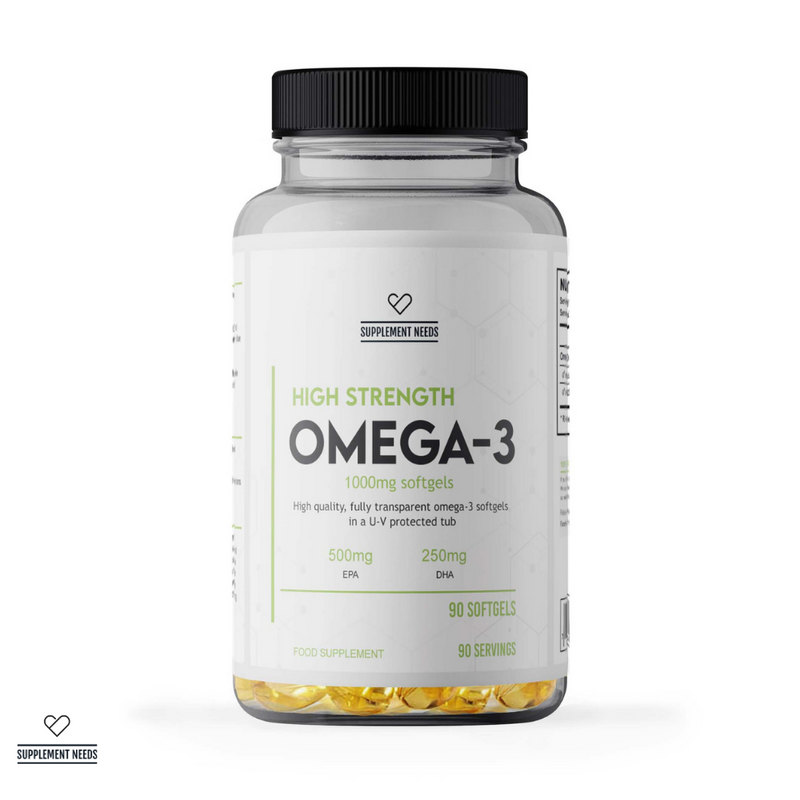
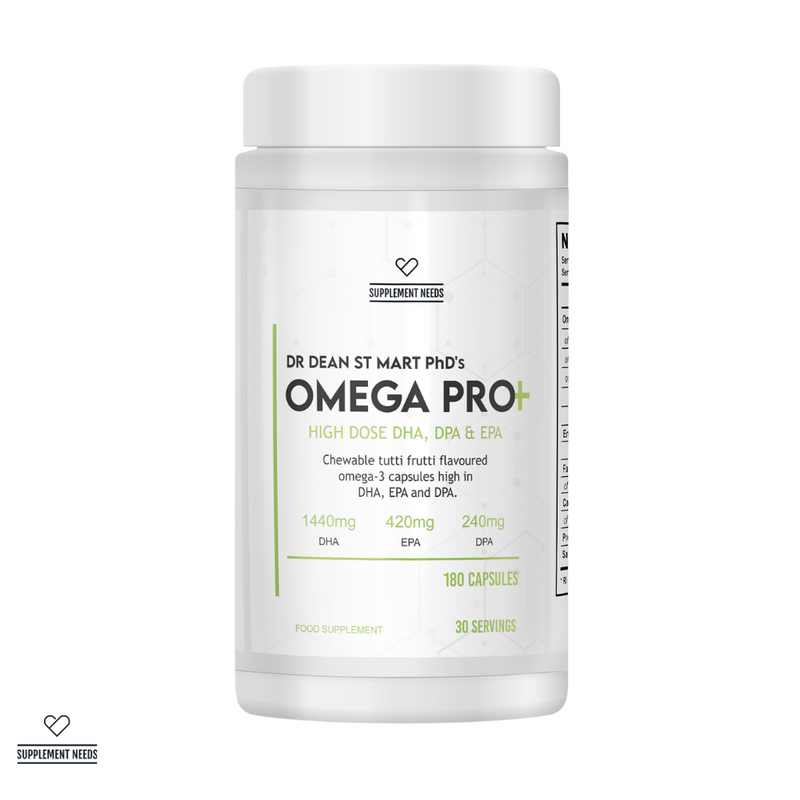
Supplement Needs Omega 3 High Strength

We mentioned previously that some fats are good for you - and Omega 3 is one of these. A polyunsaturated fatty acid (or PUFA), Omega 3 is well-established in cardiovascular research for its cardioprotective and lipid modulating properties. This is because, alongside helping to reduce blood fat levels, Omega 3 acids “exhibit anti-inflammatory, antiarrhythmic, and vasodilatory properties, influencing atherosclerotic processes and cardiac rhythm regulation”36.
To put this simply, Omega 3 reduces inflammation, helps blood vessels to contract and expand properly, and helps keep the heartbeat stable. Perfect for supporting your heart health.
Supplement Needs SerraNatto+

With only four ingredients, our SerraNatto+ stacks neatly alongside Heart Stack and Lipid Pro+ to create a comprehensive system of cardiovascular supplementary support. Our SerraNatto+ contains three proteolytic enzymes, namely Serrapeptase37, Nattokinase38 and Bromelain39, which have been shown to be:
-
Antihypertensive, reducing blood pressure.
-
Anti-inflammatory, protecting from future damage.
-
Vasoprotective, supporting the health and function of blood vessels.
-
Anti-atherosclerotic, with atherosclerosis describing when the blood vessels narrow, making it harder for your blood to flow around the body.
-
Anti-hyperlipidemic, reducing high levels of fat in the blood.
The last ingredient is rutin, which has been shown to be antithrombotic40. This means that it can suppress platelet accumulation and reduce the risks of blood clots.
Manage stress
Stress is a natural response to challenges or new situations; provoking an acute stress response is the body’s way of handling the new information or danger and providing you with the alertness, power, or motivation to protect yourself41. So, in small doses, stress can be beneficial.
The issue is with chronic stress. When your body cannot relax out of the stress response, it can cause long-term health problems. Elevated levels of stress hormones like epinephrine (aka adrenaline), norepinephrine, and cortisol have been linked to substantially increased risks of cardiovascular diseases compared to individuals with lower levels of these hormones42.
To put this another way, being consistently stressed causes your body to release hormones that, in the short term, are beneficial; but can increase your blood pressure over time.
Regulate your sleep schedule
Research is increasingly recognising that poor sleep is a “significant contributor to the development of cardiovascular disease”43. This can be seen across several metrics, with sleep duration, quality, and regularity all having an impact on your cardiovascular health.
Sleep is a chance for the body to rest, repair, and relax; and this includes the heart. Your blood pressure naturally lowers during sleep, giving it a chance to rest (in as much as a perpetually beating muscle can). Meanwhile, disturbed sleep increases inflammation markers; chronic inflammation can damage your blood vessels and encourage plaque build up, which increases your risk of heart disease44.
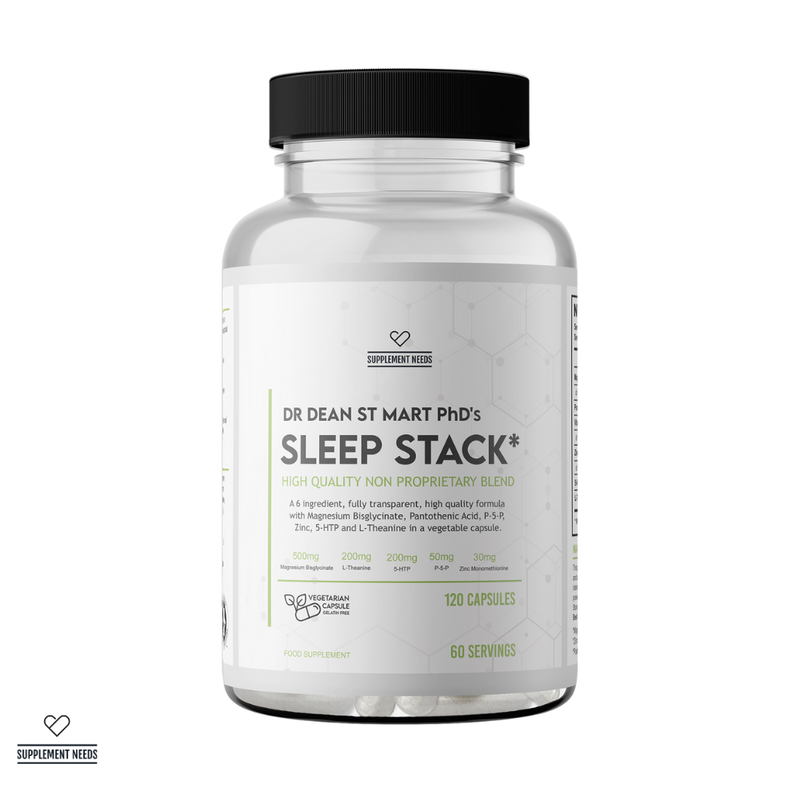
Top tip: struggling to manage your sleep, or suffering from sleep deprivation. Explore the Supplement Needs Sleep Range to find our range of sleep supplements…
Avoid smoking or excessive alcohol
As we mentioned above, smoking (or more specifically, the ingredients in cigarettes) can raise your blood pressure, increase your cholesterol levels, and make it harder for your body to transport oxygen around the body. All of this makes your heart work harder and increases the risks of developing heart disease.
Quitting smoking has immediate and long-term benefits for the health of your cardiovascular system. According to the NHS45:
-
Within 20 minutes your pulse will already be returning to normal.
-
After 8 hours, your oxygen levels are recovering.
-
After 48 hours, your carbon monoxide levels have dropped to that of non-smokers.
-
After two to 12 weeks, your circulation will have improved, and your blood is pumping much easier.
-
After one year, your risk of heart attack will have halved (compared to a smoker).
Reducing your alcohol intake can also help to reduce your blood pressure, lower your cholesterol levels, and lower the risks of heart attacks and hypertension in the long term46.
Support your cardiovascular health with Supplement Needs
If you’re thinking of incorporating some heart health supplements into your diet, make Supplement Needs your first stop. Why? We hold ourselves to the highest standards, which means:
-
Total ingredient transparency: there are no hidden surprises or filler ingredients in our supplements. We’re open about everything that’s in our formulas, and we make sure to include the provenance of the ingredients where applicable. This means we tell you which part of the plant has been used, from root to leaf (and anywhere in between).
-
Superior ingredient quality: Supplement Needs uses non-generic, research-backed, proprietary ingredients. This means you’re getting the best form of the ingredients wherever possible.
-
Expertly researched and developed formulas: all of Supplement Needs’ products have been researched, developed and formulated by Dr. Dean St Mart PhD. A double first class honours degree holder in chemistry and pharmaceutical chemistry from the National University of Ireland Maynooth, he also holds a PhD in synthetic organic chemistry and fluorescence spectroscopy.
-
Premium quality and manufacturing: all Supplement Needs’ products are manufactured in the UK in-line with Good Manufacturing Practice (GMP) and strict ISO standards. This ensures our supplements are safe, effective and consistent.
So, if you want the very best heart health supplements, stop searching - you’ve just found them right here at Supplement Needs.
Shop Heart Health supplements today
For more insights and information about supplements, discover the Supplement Needs blog…
Busting the Biggest Supplement Myths | Why You Should Avoid Cheap Omega 3 Supplements | What Are The Best Supplements for High Blood Pressure?
Disclaimer:
The information on this website should not be used as a substitute for professional medical care or advice. If you have any questions about your health, please contact your doctor.
References:
1. Public Health England, 2019, ‘Health matters: preventing cardiovascular disease’. Available from: https://www.gov.uk/government/publications/health-matters-preventing-cardiovascular-disease/health-matters-preventing-cardiovascular-disease [online]. Accessed on 8th December 2025.
2. NHS England Online, ‘Cardiovascular Disease’. Available from: https://www.england.nhs.uk/ourwork/clinical-policy/cvd/ [online]. Accessed on 8th December 2025.
3. NHS Online, 2022, ‘Cardiovascular Disease’. Available from: https://www.nhs.uk/conditions/cardiovascular-disease/ [online]. Accessed on 8th December 2025.
4. Cleveland Clinic Online, 2024, ‘Circulatory System’. Available from: https://my.clevelandclinic.org/health/body/circulatory-and-cardiovascular-system [online]. Accessed on 8th December 2025.
5. Chaudhry, R., Miao, J.H., Rehman, A., 2022, ‘Physiology, Cardiovascular’, StatPearls [Internet]. Available from: https://www.ncbi.nlm.nih.gov/books/NBK493197/ [online]. Accessed on 8th December 2025.
6. Etymonline, ‘Origin and history of cardio-’. Available from: https://www.etymonline.com/word/cardio- [online]. Accessed on 8th December 2025.
7. Rehman, I., & Rehman, A., 2023, ‘Anatomy, Thorax, Heart’, StatPearls [Internet]. Available from: https://www.ncbi.nlm.nih.gov/books/NBK279250/ [online]. Accessed on 8th December 2025.
8. Tucker, W.D., Arora, Y., & Mahajan, K., 2023, ‘Anatomy, Blood Vessels’, StatPearls [Internet]. Available from: https://www.ncbi.nlm.nih.gov/books/NBK470401/ [online]. Accessed on 9th December 2025.
9. ibid.
10. Cleveland Clinic Online, 2022, ‘Arterioles’. Available from: https://my.clevelandclinic.org/health/body/23377-arterioles [online]. Accessed on 9th December 2025.
11. Tucker, W.D., Arora, Y., & Mahajan, K., 2023, ‘Anatomy, Blood Vessels’, StatPearls [Internet]. Available from: https://www.ncbi.nlm.nih.gov/books/NBK470401/ [online]. Accessed on 9th December 2025.
12. Cleveland Clinic Online, 2022, ‘Vena Cava’. Available from: https://my.clevelandclinic.org/health/body/22619-vena-cava [online]. Accessed on 9th December 2025.
13. Cleveland Clinic Online, 2024, ‘Capillaries’. Available from: https://my.clevelandclinic.org/health/body/21988-capillaries [online]. Accessed on 9th November 2025.
14. ibid.
15. Barbalato, L., & Pillarisetty, L. S., 2022, ‘Histology, Red Blood Cell’, StatPearls [Internet]. Available from: https://www.ncbi.nlm.nih.gov/books/NBK539702/ [online]. Accessed on 9th December 2025.
16. Farid, Y., Bowman, N.S., & Lecat, P., 2023, ‘Biochemistry, Hemoglobin Synthesis’, StatPearls [Internet]. Available from: https://www.ncbi.nlm.nih.gov/books/NBK536912/ [online]. Accessed on 9th December 2025.
17. Tigner, A., Ibrahim, S. A., & Murray, I.V., 2022, ‘Histology, White Blood Cell’, StatPearls [Internet]. Available from: https://www.ncbi.nlm.nih.gov/books/NBK563148/ [online]. Accessed on 9th December 2025.
18. Williams, O., & Sergent, S.R., 2022, ‘Histology, Platelets’, StatPearls [Internet]. Available from: https://www.ncbi.nlm.nih.gov/books/NBK557800/ [online]. Accessed on 9th December 2025.
19. Mathew, J., Sankar, P., & Varacallo, M.A., 2023, ‘Physiology, Blood Plasma’, StatPearls [Internet]. Available from: https://www.ncbi.nlm.nih.gov/books/NBK531504/ [online]. Accessed on 9th December 2025.
20. NHS Online, 2022, ‘Cardiovascular Disease’. Available from: https://www.nhs.uk/conditions/cardiovascular-disease/ [online]. Accessed on 8th December 2025.
21. Diabetes UK Online, 2024, ‘Diabetes and Heart Disease’. Available from: https://www.diabetes.org.uk/about-diabetes/looking-after-diabetes/complications/cardiovascular-disease [online]. Accessed on 9th December 2025.
22. British Heart Foundation Online, 2023, ‘Smoking’. Available from: https://www.bhf.org.uk/informationsupport/risk-factors/smoking/ [online]. Accessed on 9th December 2025.
23. British Heart Foundation Online, 2024, ‘Salt’. Available from: https://www.bhf.org.uk/informationsupport/support/healthy-living/healthy-eating/salt [online]. Accessed on 9th December 2025.
24. NHS Online, 2023, ‘Fats: the facts’. Available from: https://www.nhs.uk/live-well/eat-well/food-types/different-fats-nutrition/ [online]. Accessed on 9th December 2025.
25. Antoni, R., 2023, ‘Dietary saturated fat and cholesterol: cracking the myths around eggs and cardiovascular disease’, J Nutr Sci., 12:e97. Available from: https://pmc.ncbi.nlm.nih.gov/articles/PMC10495817/ [online]. Accessed on 9th December 2025.
26. ibid.
27. NHS Online, 2023, ‘Fats: the facts’. Available from: https://www.nhs.uk/live-well/eat-well/food-types/different-fats-nutrition/ [online]. Accessed on 9th December 2025.
28. Frontiers, 2024, ‘Sugary drinks significantly raise cardiovascular disease risk, but occasional sweet treats don’t, scientists find’. Available from: https://www.frontiersin.org/news/2024/12/09/sugary-drinks-raise-cardiovascular-disease-risk-frontiers-public-health [online]. Accessed on 9th December 2025.
29. Goyal, J., & Rakhra, G., 2024, ‘Sedentarism and Chronic Health Problems’, Korean J Fam Med., 45(5):239–257. Available from: https://pmc.ncbi.nlm.nih.gov/articles/PMC11427223/ [online]. Accessed on 9th December 2025.
30. Nystoriak, M.A., & Bhatnagar, A., 2018, ‘Cardiovascular Effects and Benefits of Exercise’, Front Cardiovasc Med., 5:135. Available from: https://pmc.ncbi.nlm.nih.gov/articles/PMC6172294/ [online]. Accessed on 9th December 2025.
31. NHS Online, 2022, ‘Cardiovascular Disease’. Available from: https://www.nhs.uk/conditions/cardiovascular-disease/ [online]. Accessed on 8th December 2025.
32. Ramanathan, N., et al., 2018, ‘Tocotrienol is a cardioprotective agent against ageing-associated cardiovascular disease and its associated morbidities’, Nutr Metab (Lond)., 15:6. Available from: https://pmc.ncbi.nlm.nih.gov/articles/PMC5775572/ [online]. Accessed on 10th December 2025.
33. Nauman, M.C., & Johnson, J.J., 2019, ‘Clinical application of bergamot (Citrus bergamia) for reducing high cholesterol and cardiovascular disease markers’, Integr Food Nutr Metab., 6: DOI: 10.15761/IFNM.1000249. Available from: https://www.oatext.com/clinical-application-of-bergamot-citrus-bergamia-for-reducing-high-cholesterol-and-cardiovascular-disease-markers.php#Article_Info [online]. Accessed on 10th December 2025.
34. Razmpoosh, E., 2022, ‘The effects of olive leaf extract on cardiovascular risk factors in the general adult population: a systematic review and meta-analysis of randomized controlled trials’, Diabetology & Metabolic Syndrome, 14:151. Available from: https://link.springer.com/article/10.1186/s13098-022-00920-y [online]. Accessed on 10th December 2025.
35. Ried, K., 2019, ‘Garlic lowers blood pressure in hypertensive subjects, improves arterial stiffness and gut microbiota: A review and meta-analysis’, Exp Ther Med., 19(2):1472–1478. Available from: https://pmc.ncbi.nlm.nih.gov/articles/PMC6966103/ [online]. Accessed on 10th December 2025.
36. Krupa, K.N., Fritz, K., Parmar, M., 2024, ‘Omega-3 Fatty Acids’, StatPearls [Internet]. Available from: https://www.ncbi.nlm.nih.gov/books/NBK564314/ [online]. Accessed on 10th December 2025.
37. Yadav, V., et al., 2023, ‘Serratiopeptidase Attenuates Lipopolysaccharide-Induced Vascular Inflammation by Inhibiting the Expression of Monocyte Chemoattractant Protein-1’, Curr Issues Mol Biol., 8;45(3):2201–2212. Available from: https://pmc.ncbi.nlm.nih.gov/articles/PMC10047379/ [online]. Accessed on 10th December 2025.
38. Chen, H., et al., 2018, ‘Nattokinase: A Promising Alternative in Prevention and Treatment of Cardiovascular Diseases’, Biomark Insights, 13:1177271918785130. Available from: https://pmc.ncbi.nlm.nih.gov/articles/PMC6043915/ [online]. Accessed on 10th December 2025.
39. Chen, C-H., et al., 2022, ‘Bromelain Ameliorates Atherosclerosis by Activating the TFEB-Mediated Autophagy and Antioxidant Pathways’, Antioxidants (Basel), 12(1):72. Available from: https://pmc.ncbi.nlm.nih.gov/articles/PMC9855131/ [online]. Accessed on 10th December 2025.
40. Chen, D., et al., 2022, ‘Orally delivered rutin in lipid-based nano-formulation exerts strong antithrombotic effects by protein disulfide isomerase inhibition’, Drug Deliv., 29(1):1824–1835. Available from: https://pmc.ncbi.nlm.nih.gov/articles/PMC9186361/ [online]. Accessed on 10th December 2025.
41. Cleveland Clinic Online, 2024, ‘Stress’. Available from: https://my.clevelandclinic.org/health/diseases/11874-stress [online]. Accessed on 9th December 2025
42. Tsai, S-Y., et al., 2024, ‘Association of stress hormones and the risk of cardiovascular diseases systematic review and meta-analysis’, International Journal of Cardiology Cardiovascular Risk and Prevention, 23:200305. Available from: https://www.sciencedirect.com/science/article/pii/S2772487524000709 [online]. Accessed on 9th December 2025.
43. Amin, K.D., et al., 2025, ‘A good night's rest: A contemporary review of sleep and cardiovascular health’, American Journal of Preventive Cardiology, 21:100924. Available from: https://www.sciencedirect.com/science/article/pii/S2666667724002939/ [online]. Accessed on 9th December 2025.
44. Heart Research UK, ‘How does sleep impact your heart?’. Available from: https://heartresearch.org.uk/information/health-and-lifestyle-tips/how-does-sleep-impact-your-heart/ [online]. Accessed on 9th December 2025.
45. NHS UK Better Health Online, ‘Quit Smoking’. Available from: https://www.nhs.uk/better-health/quit-smoking/ [online]. Accessed on 9th December 2025.
46. NHS UK Better Health Online, ‘Drink Less Alcohol: the benefits of drinking less alcohol’. Available from: https://www.nhs.uk/better-health/drink-less/#the-benefits-of-drinking-less-alcohol [online]. Accessed on 9th December 2025.