







Cortisol: a word that’s widely known, but arguably, little understood. Widely associated with stress - cortisol has become a hormone associated with myriad negative connotations. But, what’s the truth? Is it something we should all seek to lower in our bodies? And what of cortisol supplements? The Supplement Needs team seeks the truth - providing everything you need to know about cortisol and cortisol supplements in this deep dive…
What is cortisol, and why do people want to lower it?
As we’ve just mentioned - cortisol has a bad rep - and many health-conscious people want to lower the levels of cortisol present in their bodies.
But, what exactly is it? And, should people really want to lower their endogenous levels of cortisol? Let’s find out.
Even a cursory reading of the Internet will show that cortisol is associated with everything from poor sleep and anxiety to the development of belly fat and burnout.
However - as you’ve probably already guessed - this framing is far too simplistic.
Cortisol isn’t inherently ‘bad’. It is, after all, an essential glucocorticoid hormone1 that helps your body wake up2, respond to stress, regulate energy availability, and coordinate a wide range of metabolic and immune processes.
You certainly don’t want to eliminate all traces of cortisol from your body.
Indeed, at healthy levels, cortisol will follow a clearly daily rhythm - rising towards morning to boost wakefulness and alertness, before then falling gradually across the day.
The mechanics of cortisol
It’s clear, then, that cortisol isn’t the ‘all-round villain’ that many tabloid health journalists make it out to be.
Rather, it plays several important mechanistics roles within your body.
Sleep
One of cortisol’s most important jobs is helping to anchor your sleep-wake cycle. Research on sleep and circadian regulation of cortisol shows that it is tightly linked to the body’s central circadian clock, with levels typically highest around habitual wake time and lower later in the day.
In plain English, cortisol is part of what helps you feel switched on in the morning. It’s is not just a stress hormone; think of it as a timing hormone, helping your body anticipate the demands of the day3.
Stress
This is cortisol’s ‘party piece’ (a.k.a. what it’s most known for) - it’s central to the stress response.
During physiological or psychological stress, cortisol helps mobilise energy so that the body can cope with a challenge. That includes increasing the availability of metabolic fuel, influencing glucose regulation4, and interacting with cardiovascular systems involved in maintaining blood pressure and vascular tone5.
Cortisol also has major effects on the immune system, acting in an immunomodulatory and anti-inflammatory role6. That is why the body needs it: without cortisol, you would not regulate stress, metabolism, inflammation, or daily rhythm properly.
To sum up - for a healthy individual the aim shouldn’t be to ‘eliminate’ cortisol from your body, but to maintain a healthy cortisol pattern. Problems only arise when this pattern becomes dysregulated - being elevated at the wrong times or elevated for extended periods of time.
When cortisol can become a problem
With that said, cortisol isn’t an unalloyed good, either. It can be a problem for your health.
Cortisol usually becomes a concern in the context of chronic stress load, not normal day-to-day physiology.
Persistent psychological stress can alter how the hypothalamic-pituitary-adrenal axis behaves over time, and sleep loss makes that picture worse. A major review on sleep deprivation and circadian disruption7 found that reduced sleep and circadian mismanagement can raise evening cortisol, impair metabolic regulation, increase blood pressure, and contribute to the broader ‘wear and tear’ associated with allostatic load8.
In other words, it is often not cortisol itself that is the root problem, but the pattern of chronic stressors driving it.
Poor sleep and circadian disruption are two classic examples of chronic stressors driving cortisol imbalance. For example, when sleep is restricted and when bedtimes and wake times are inconsistent - or when someone is regularly awake and eating at biologically inappropriate hours - cortisol levels will be thrown off balance.
Remember, cortisol is supposed to be rhythmic - anything that disrupts this rhythm is problematic.
What symptoms are associated with high cortisol?
One of the reasons that cortisol has become such a popular topic online is that the symptoms people associate with ‘high cortisol’ are extremely common (although, not always actually associated with elevated cortisol).
Below, we’ve set out the symptoms that are commonly associated with high cortisol (but, as we’ll see, cortisol is rarely the only variable involved in such symptoms).
Feeling ‘wired but tired’
The phrase ‘wired but tired’ is often used to describe the feeling of being exhausted, but unable to properly switch off and rest.
This can occur when an individual is under sustained physiological, physical, or lifestyle stress. Cortisol is part of the body’s hypothalamic-pituitary-adrenal axis - often shortened to the HPA axis - which helps coordinate the stress response.
Under normal conditions, cortisol follows a daily rhythm, typically rising around waking and falling later in the day; however, sleep restriction can increase late afternoon and early evening cortisol in some contexts, which may help explain why some people feel tired during the day, but over-alert at night9.
Poor sleep quality
Closely linked to the above symptom, poor sleep quality is all too often blamed on elevated levels of cortisol.
Research shows that substantial sleep restriction can raise late-day cortisol, whilst acute total sleep deprivation can also increase cortisol and subjective stress ratings10. This is important as poor sleep can become a self-reinforcing loop.
Somewhat like Ouroboros (the ancient symbol of a snake devouring its own tail), this feedback loop becomes self-perpetuating; stress can make sleep worse, worse sleep can increase stress, and both can make people feel as though their body is stuck in ‘fight or flight’ mode.
Note: it’s important to avoid simplistic explanations here. Poor sleep doesn’t necessarily mean that cortisol levels are elevated - but, it can be a contributory factor.
Anxiety and irritability
Cortisol is often flagged as a factor when it comes to issues of anxiety and irritability.
Why is this? One point is that the HPA axis interacts with the central nervous system, immune system, and inflammatory signaling pathways. When cortisol levels become out of balance, these systems can consequently be disrupted11.
Again, though, we need to be acutely aware that cortisol is not the only reason someone may be experiencing anxiety and irritability. These symptoms are not cortisol specific. For example, in the context of exercise, overtraining syndrome can involve fatigue, insomnia, irritability, agitation, anxiety, low motivation, and waking unrefreshed - a symptom pattern that could easily be mistaken for ‘high cortisol’12.
Afternoon crashes
The well-known ‘afternoon energy-crash’ is another symptom that is commonly blamed on disrupted cortisol levels. However, this is an oversimplistic explanation.
As we’ve seen, cortisol typically declines throughout the course of the day. Thus, lower afternoon levels are not inherently something to be concerned about. Rather, the real problem is if an individual is presenting an unhealthy cortisol rhythm. Poor sleep, a lack of recovery, unstable energy intake, excessive caffeine reliance, or an overall mismatch between stressors and recovery can result in disruption to the cortisol rhythm - and therefore those unpleasant ‘afternoon crashes’.
To put this another way - your afternoon crashes aren’t directly related to high or low levels of cortisol. Instead, the true reasons will be poor sleep, skipped meals, low protein intake, over caffeination, or accumulated sleep debt etc13.
Belly-fat concerns
If you ask a general member of the population what one physical manifestation of imbalanced cortisol levels is - it’s likely they’ll say accumulation of belly fat.
So, what’s the reality?
Chronically excessive cortisol can influence fat distribution; in clinical hypercortisolism, such as Cushing syndrome, characteristic features can include central weight gain, fat accumulation around the face and upper back, thin skin, easy bruising, purple stretch marks, muscle weakness, high blood pressure, and glucose dysregulation.
A 2023 review in JAMA describes Cushing syndrome as prolonged, non-physiological elevation of cortisol, with endogenous cases being rare14.
This stands in stark contrast to the common online claim that everyday stress automatically causes ‘cortisol belly’.
Stress certainly can contribute to weight gain and belly-fat accumulation - but it does so indirectly. Flip it this way - belly fat is not a reliable standalone sign of high cortisol.
In other words - elevated stress and cortisol can result in fat accumulation - but in specific clinical cases such as Cushing syndrome.
Do cortisol supplements actually work?
And, to the nub of the article we come. This is arguably the most important part of this essay for you - the individual thinking of investing in cortisol supplements.
Do they actually work?
The honest answer is yes - but not in the ways you may expect.
Most ‘cortisol supplements’ don’t work like pharmaceutical cortisol blockers. They don’t simply switch cortisol off, and they shouldn’t be used as a DIY treatment for suspected endocrine disorders.
Instead, the ingredients in this category tend to work more indirectly; by supporting the body’s stress-response system, improving perceived stress, helping sleep quality, or reducing the lifestyle pressures that can keep the hypothalamic-pituitary-adrenal axis under strain.
It’s about choosing supplements that can mitigate the lifestyle factors that can induce stress and/or disrupt the cortisol rhythm.
The indirect effect of cortisol supplements
The reality is that cortisol supplements often have a beneficial effect - albeit - indirectly.
When people talk about ‘lowering cortisol’, they often mean one of two things. They either want to reduce the subjective feeling of stress - tension, restlessness, anxiety, poor sleep, irritability - or they want to reduce measured cortisol levels on a lab test.
These are related - but not the same thing.
This is why you’ll find some ‘cortisol studies’ that measure actual cortisol levels (via saliva or blood samples), whilst other studies measure perceived stress, anxiety, sleep quality, fatigue, or mood. These are both potentially beneficial - but the latter studies point toward cortisol supplements being beneficial in an indirect sense.
We appreciate we’re getting very nuanced here; so, let’s take a real-world example - Ashwagandha.
As one of the most studied herbs in this space, Ashwagandha has been strongly associated with reductions in cortisol. A 2025 systematic review and meta-analysis of randomised controlled trials reported that ashwagandha supplementation was associated with reduced cortisol, stress, and anxiety outcomes in adults.
However, the results varied between studies, doses, extracts, and populations, meaning ashwagandha should be viewed as a promising stress-support ingredient rather than a guaranteed ‘cortisol blocker’15.
This isn’t the only link between ashwagandha and reduced cortisol levels. A randomised, double-blind, placebo-controlled trial in stressed, healthy adults found that a standardised ashwagandha extract improved some stress and anxiety measures and was associated with changes in morning cortisol after 60 days.
This is certainly encouraging - but, it doesn’t mean every person with tiredness, poor sleep, or weight gain needs ashwagandha. It means one specific extract, at a specific dose, in a defined population, produced measurable effects over a defined time period16.
How cortisol supplements can realistically help
We’ve seen that cortisol supplements can’t really act as a ‘blunt lever’ to demolish cortisol levels.
Instead, they should be viewed as supplements that provide stress resilience support.
Put another way - cortisol supplements can help your body cope with stress more effectively, rather than either removing stress from your life or forcing down cortisol levels regardless of context.
In practical terms, the most realistic benefits of cortisol supplements include:
-
Supporting stress resilience: adaptogens such as ashwagandha and rhodiola have been studied for their ability to support the body’s response to stress, although results depend on the extract, dose, and study population17.
-
Helping with sleep-related cortisol issues: poor sleep and circadian disruption can affect cortisol rhythm, so supplements that support better sleep may indirectly help restore a healthier stress-response pattern18.
-
Reducing perceived stress: ingredients such as L-theanine have been shown in human research trials to improve stress-related symptoms and sleep-related measures in healthy adults19.
-
Supporting nervous system recovery: some multi-ingredient formulas combining nutrients such as magnesium, B vitamins, rhodiola, and L-theanine, have been shown to reduce stress scores in chronically stressed adults, although it is difficult to know which ingredient is responsible for the effect20.
-
Supporting recovery from physical stress: phosphatidylserine is sometimes discussed in relation to exercise-induced cortisol responses, although the evidence is more specific and less broad than many supplement claims suggest21.
What supplements ‘lower’ cortisol?
Now, with the aforementioned caveats in mind (that cortisol supplements don’t directly lower cortisol), let’s take a look at those supplements that support the body’s stress response, improve sleep quality, reduce perceived stress - and - over time, reduce cortisol.
Ashwagandha

Ashwagandha is arguably the best-known supplement in the cortisol conversation. It’s classed as an adaptogen, meaning it is used to help the body adapt to stress and maintain physiological balance during periods of increased demand and stress.
The evidence for ashwagandha is stronger than for many other ‘cortisol support’ ingredients. For example, a systematic review and meta-analysis of randomised controlled trials found that ashwagandha supplementation was associated with improvements in stress and anxiety outcomes22.
Another randomised, double-blind, placebo-controlled trial in stressed, but otherwise healthy adults, found that a standardised ashwagandha extract improved stress and anxiety measures and was associated with changes in morning cortisol levels after 60 days23.
It’s for this reason (amongst others), that ashwagandha is often most strongly seen as a ‘cortisol supplement’.
Note: ashwagandha may not be suitable for everyone, particularly if you are pregnant, breastfeeding, taking thyroid medication, using sedatives, or managing auto-immune or liver-related conditions.
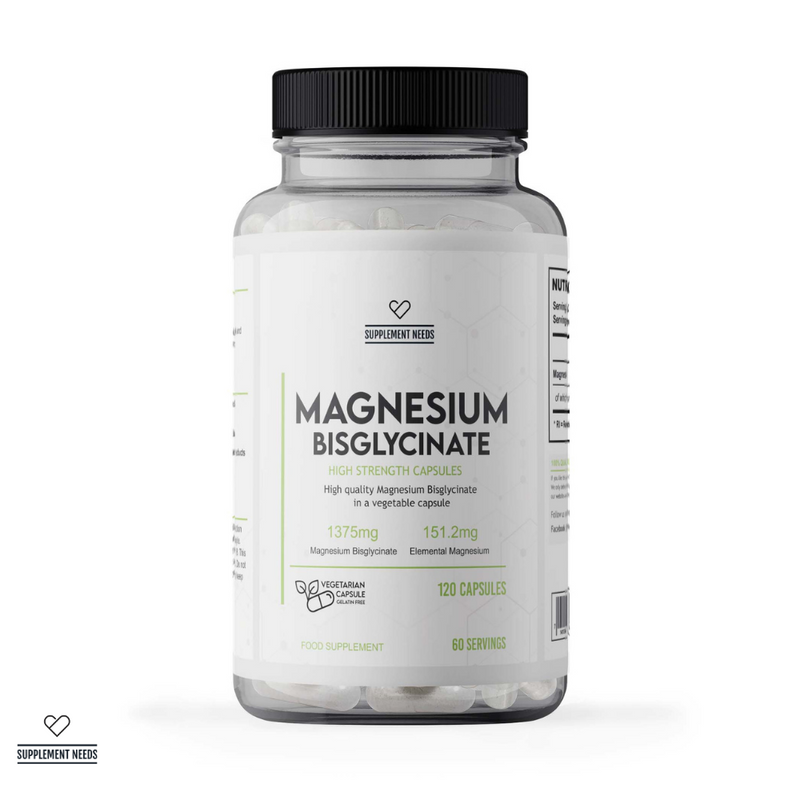
Magnesium

Whilst Magnesium is not a ‘cortisol blocker’, it is a fundamental nutrient stress, sleep, and nervous-system regulation.
Magnesium is involved in hundreds of enzymatic reactions, including processes related to neuromuscular function, energy metabolism, and neurotransmitter activity. This is bolstered by the fact that a 2024 systematic review found that magnesium supplementation may improve self-reported anxiety and sleep quality in some populations, although the strength and consistency of the evidence does vary between studies24.
“But”, we can hear your asking, “what effect does magnesium have on cortisol”?
The answer is that it does help - but indirectly.
Think of it like this: if magnesium helps support relaxation, sleep quality, or anxiety symptoms, it will help create the conditions for a healthier stress-response rhythm. This matters because sleep restriction and circadian disruption can influence cortisol patterns, inflammatory markers, and stress biology25.
The point here is that you should consider magnesium as a foundational support to cortisol reduction, rather than being a direct inhibitor of cortisol.
L-theanine

L-theanine is an amino acid that is found naturally in tea. Often used for calm focus rather than sedation, it is typically favoured by individuals who tend to feel overstimulated, edgy, or mentally ‘wired’ - but who still need to function.
Like the other supplements and nutrients we’ve detailed so far in this article, L-theanine can be beneficial for cortisol in an indirect fashion.
For example, a randomised, placebo-controlled trial found that four weeks of L-theanine supplementation reduced stress-related symptom scores and improved sleep-related measures in healthy adults26.
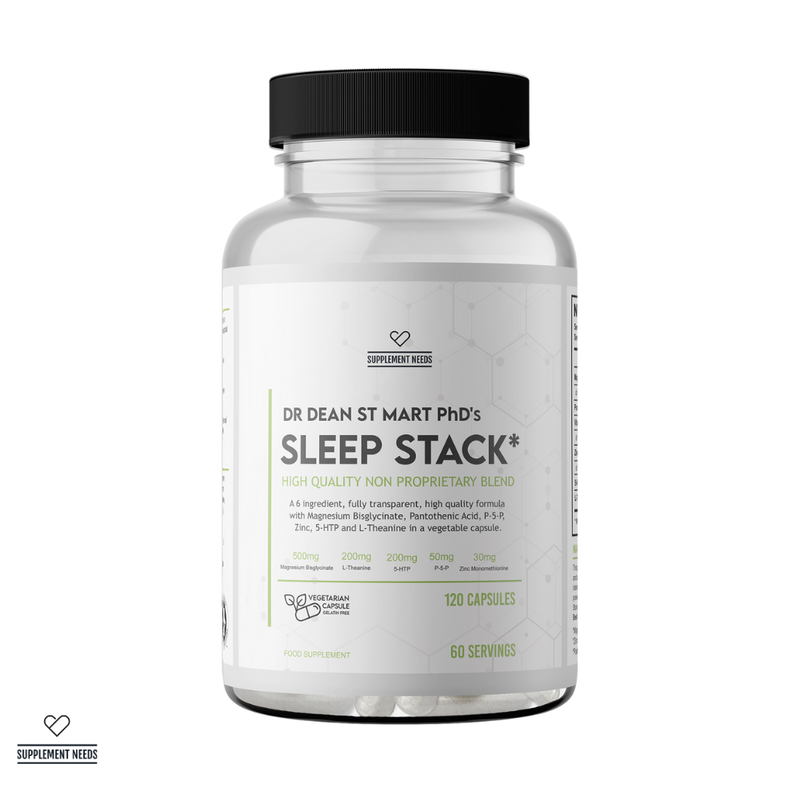
We can see, then, that L-theanine functions similarly to ashwagandha and magnesium - creating the physiological conditions that may lower cortisol levels. It’s for this reason that we include L-theanine in our incredibly popular Sleep Stack supplement.
Glycine
Glycine is another amino acid that may support sleep quality. As with magnesium and L-theanine - better sleep quality can equate to healthier cortisol levels.
The evidence base linking glycine with improved sleep quality is fairly comprehensive. Consider the study that found that taking 3g of glycine before bed can both reduce fatigue and sleepiness27.
Another study found that glycine ingestion before bedtime can improve subjective sleep quality in individuals with a history of sleep complaints28.
Again, we can see that whilst glycine doesn’t directly lower cortisol, it supports the physiological conditions that can result in improved cortisol balance.
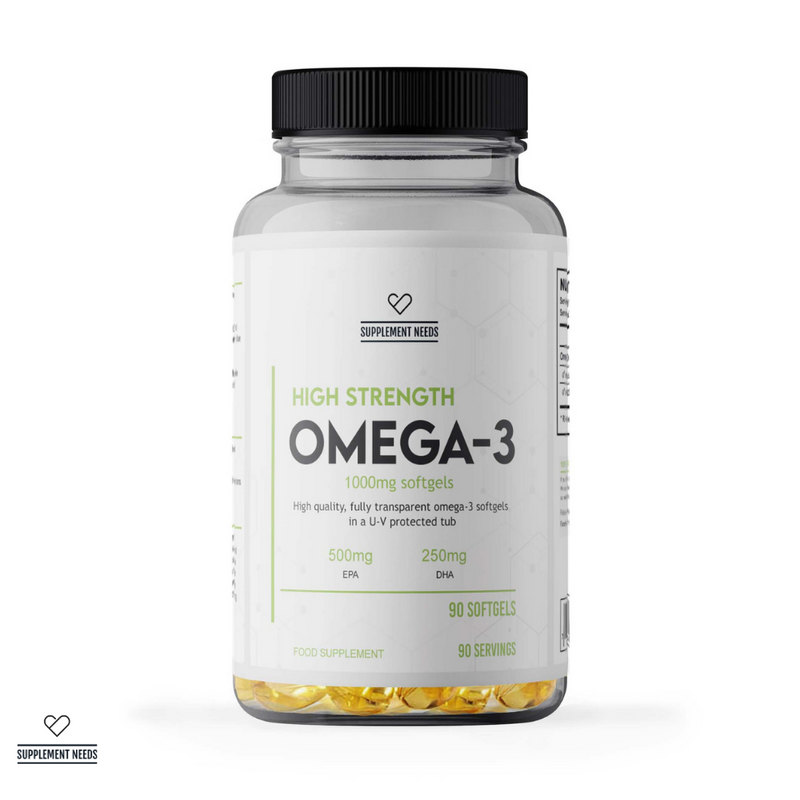
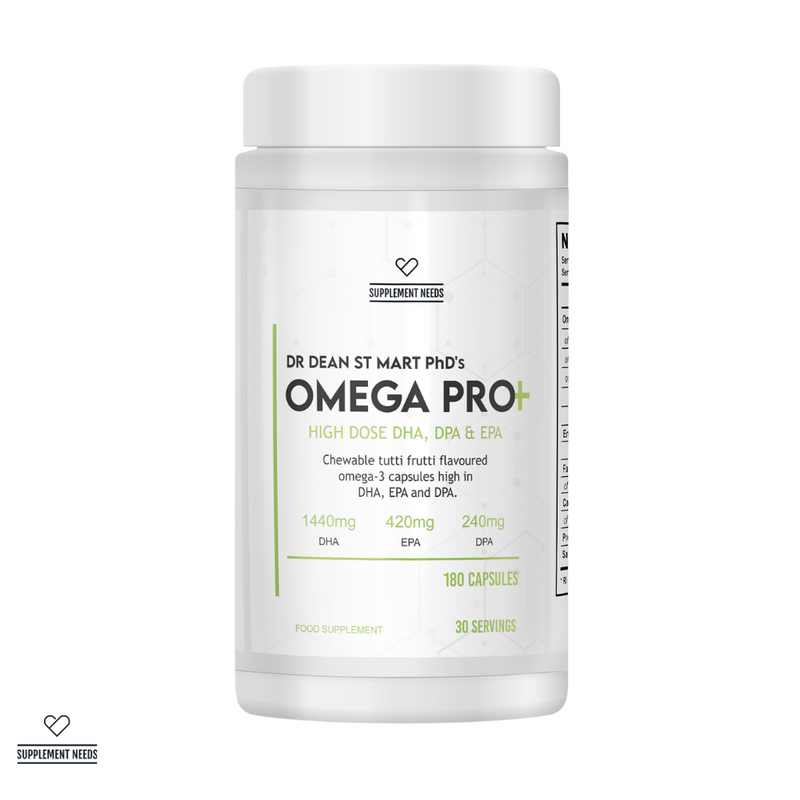
Omega-3

Omega-3 fatty acids are not usually marketed as cortisol supplements - however - they deserve a place in this article because of their links with inflammation, stress-reactivity, and broader resilience.
It is omega-3’s contribution to the body’s response to stress that is especially pertinent here.
For example, in a randomised controlled trial of sedentary, overweight, middle-aged adults, omega-3 supplementation influenced biological responses to a laboratory stressor. Furthermore, the group of study participants who had received a higher dose of omega-3 had lower overall salivary cortisol levels than the other participants29.
On a broader basis, omega-3s are widely studied for cardiovascular, inflammatory, and metabolic health, which makes them useful as part of a wider health-support foundation. Thus, if someone is stressed, sleeping poorly, suffering from inflammation, or under-recovered, omega-3s may help support the wider physiological terrain in which cortisol regulation happens.
Rhodiola rosea
Another adaptogen - like ashwagandha - rhodiola rosea is a natural herb that has long been associated with fatigue resistance, mental performance under stress, and perceived energy.
Rather than being a direct cortisol reducer, rhodiola rosea can help individuals better handle stressors - thus, indirectly potentially helping to reduce cortisol levels.
Its reputation as a stress-performance adaptogen has been widely studied, with one systematic review finding that it can be helpful for ‘enhancing physical performance and alleviating mental fatigue’30.
Building the ultimate cortisol supplement stack
Whilst all of the above substances can be linked - albeit indirectly - to healthy cortisol management, adding all of them to your daily supplementation regime may seem a little excessive.
At Supplement Needs, we get that. We understand that your supplements need to fit around your busy life and routine.
Which is why our renowned formulator Dr. Dean St Mart PhD has created two multi-compound supplements that are designed to help you keep your cortisol levels balanced.
Supplement Needs AM Priming Stack

As we’ve covered throughout this article, your goal shouldn’t be to ‘block’ cortisol. Cortisol is an essential hormone, particularly in the morning, when it helps support wakefulness, energy, mobilisation, and your natural get-up-and-go rhythm.
Instead, you should choose supplements that help you tackle the root causes of elevated cortisol - like the stress response.
In short - you should select a supplement like Supplement Needs AM Priming Stack.
AM Priming Stack is not designed to be a blunt cortisol blocker, but has been formulated as a morning-focused adaptogenic stack to help prime your body and mind against daily stress, support mental performance, and lower mental fatigue.
The ingredients within AM Priming Stack include many of those mentioned in this article, with strong evidence bases. These include:
-
Ashwagandha KSM-66.
-
Rhodiola rosea extract.
-
Holy Basil extract.
-
Bacopa monnieri extract.
-
Eluthero Siberian Ginseng.
If you’re looking for a premium stress-support supplement - then AM Priming Stack is it.
Supplement Needs PM Priming Stack

You can support your evening wind-down with the Supplement Needs PM Priming Stack.
PM Priming Stack has been designed by Dr Dean not to be a ‘blunt blocker’ of cortisol, but a pre-bed relaxation and stress-support formula. If you regularly feel wired, mentally busy, restless, or unable to switch off in the evening - then PM Priming Stack is for you.
Primarily designed to help you get a good night’s sleep, PM Priming Stack aims to maximise your sleep hygiene - which in turn will help you maintain healthy cortisol levels.
As you’ll see below, PM Priming Stack has been formulated to include many of the ingredients that support the physiological processes that balance cortisol levels. These ingredients include:
-
Phosphatidylserine.
-
Emodin (from Polygonum cuspidatum extract).
-
L-Theanine.
-
Soya Lecithin.
-
Affron® saffron extract.
-
Zylaria®.
-
Broccoli sprout extract.
-
Lutein and zeaxanthin.
Thanks to this formulation, PM Priming Stack arguably offers a better way of thinking about - and supplementing for - cortisol and stress.
Rather than pretending that cortisol can be ‘turned off’, PM Priming Stack targets the evening period when many people struggle to transition out of daytime stress.
In particular, the inclusion of both phosphatidylserine and emodin has been deliberately because of their relationship with cortisol levels.
Research suggests that phosphatidylserine may help support a more balanced stress response and modulate cortisol reactions to certain physical and mental stressors, rather than simply “switching cortisol off”31. This makes it particularly relevant in the evening, when the goal is to transition out of daytime stress and support relaxation before sleep.
Emodin, derived from polygonum cuspidatum extract, complements this approach by supporting the wider physiology involved in stress regulation. Whilst it is not a sedative or direct cortisol blocker, it has been studied for its anti-inflammatory and cellular signalling properties32.
Build a smarter approach to cortisol support
As we’ve seen, cortisol is not the enemy. The real goal isn’t to block cortisol, but to support a healthier stress response.
That means choosing supplements intelligently. Choose evidence-led formulas that support the key foundations: morning resilience, evening relaxation, sleep quality, nervous-system balance, and recovery.
Choose Supplement Needs.
Explore performance supplements at Supplement Needs now
For more insights and information about supplements, read the Supplement Needs blog…
The Importance of Sleep Hygiene | How to Improve Your Cardiovascular Health: The Ultimate Guide to Heart Health Supplements | What Are the Best Supplements for High Blood Pressure?