






The festive season is known for many things: presents, time off work, James Bond films on the TV, and… hangovers. If you’re likely to find yourself over indulging during the coming period, then you need to know about Glutathione and Electrolytes - two substances that can potentially make that hangover a little less hard on the head…
What exactly is a hangover?
Sure, we’ve all been there. You awaken feeling like somebody is repeatedly hitting you in the head with a hammer. You’re sweating, feeling nauseous, and are perhaps gripped by a state of anxiety.
In fact, there is perhaps no better literary evocation of a hangover than that written by Kingsley Amis in his renowned novel, Lucky Jim:
“A dusty thudding in his head made the scene before him beat like a pulse. His mouth had been used as a latrine by some small creature of the night, and then as its mausoleum. During the night, too, he’d somehow been on a cross-country run and then been expertly beaten up by secret police. He felt bad”.
But, what’s actually going on in your body when you have a hangover?
Put in the simplest possible terms, a hangover is the collection of unpleasant physical and mental symptoms that occur as your body’s blood alcohol level (BAC) returns to zero following a bout of drinking alcohol.
The most common symptoms of a hangover include:
-
Headache and facial pressure.
-
Extreme thirst and a dry mouth.
-
Fatigue, weakness, and an inability to concentrate.
-
Nausea, loss of appetite, or vomiting.
-
Anxiety - or what is colloquially known as ‘hangxiety’.
-
Heart palpitations or a racing pulse.
-
Fragmented, unrestful sleep.
The mechanisms of a hangover
Let’s dive a little deeper into the uncomfortable world of the hangover and have a closer look at the underlying mechanisms that cause those symptoms we’ve listed above.
The diuretic effect
One of the biggest reasons that you wake up feeling awful after a bout of drinking is due to the fact that alcohol is a powerful diuretic - making you urinate far more than normal.
When not drinking alcohol, your body releases a hormone called vasopressin (which is also known as the antidiuretic hormone (ADH))1, which tells your kidneys to hold on to water and reabsorb it back into the bloodstream.
Alcohol interrupts this process almost immediately.
It does this primarily by suppressing vasopressin production, which in turn makes your kidneys behave as though your body has too much water - resulting in the production of far more urine than normal.
The question is - how much water can alcohol cause your body to lose (over and above what it would sans alcohol)? Whilst the answer varies from person to person, studies have suggested it could be as much as 600 - 1,000ml of fluid. That’s the equivalent of one to three large glasses of water2.
That’s why a night out on the drink can feel like one long trip to the bathroom - with each trip leaving your body more and more dehydrated.
Acetaldehyde
If there’s a single compound that can be blamed for making hangovers feel so unpleasant, it’s arguably acetaldehyde.
Acetaldehyde is derived from ethanol (the alcohol in the liquid you drink). When you imbibe ethanol, it is transported to the liver, where an enzyme called alcohol dehydrogenase (ADH) gets to work. This ADH converts the ethanol into acetaldehyde. This process can be rapid - in fact, taking place quicker than the body can safely handle.
This results in acetaldehyde levels rising sharply within your body.
Note: acetaldehyde doesn’t stick around in your body forever. It is eventually broken down by a liver enzyme known as aldehyde dehydrogenase. However, if the accumulation of acetaldehyde occurs faster than the action of aldehyde dehydrogenase (such as during a heavy drinking session), this can result in a bad hangover.
Acetaldehyde - as you’ve probably already guessed - has a number of deleterious effects upon the body. These include3:
-
Damaging proteins and cell membranes, interfering with normal cellular function.
-
Triggering oxidative stress, producing free radicals that inflame tissues.
-
Activating the immune system, leading to inflammatory responses throughout the body.
-
Impairing blood vessel regulation, contributing to headaches and flushing.
To put this in simple terms, acetaldehyde effectively behaves like a short-term poison that your body urgently wants to neutralise. However, the faster it builds up, the worse you feel.
Oxidative stress and inflammation
One of the key reasons that you’ll feel ill, dizzy, and flat after drinking is down to the effects of oxidative stress and inflammation. But, why does oxidative stress and inflammation occur when alcohol is consumed?
The first point to make is that the metabolism of alcohol generates free radicals4. These free radicals are produced via several pathways, including the activation of the enzyme CYP2E1, which becomes increasingly active as alcohol intake rises.
Whilst CYP2E1 plays a positive role - it helps to clear alcohol from your system - it does so in a way that leaves behind lots of oxidative byproducts which contribute to oxidative stress and inflammation5.
In what could be described as a ‘double-whammy’, alcohol not only elevates free radical production, it also depletes your body’s antioxidant defences - in particular Glutathione.
Glutathione is heavily concentrated in the liver, and during alcohol metabolism is consumed rapidly as it neutralises toxic by-products and free radicals. As studies have stated6, alcohol consumption results in depletion of hepatic Glutathione, impairing antioxidant defence and increasing susceptibility to oxidative injury.
Whilst we’ve seen how alcohol consumption can induce oxidative damage - this doesn’t happen in isolation. It also triggers an inflammatory response. As free radical damage accumulates, your body will, in turn, release pro-inflammatory cytokines - chemical messengers such as IL-6, TNF-ɑ, and CRP.
This is effectively immune activation - which is why hangovers can result in you experiencing:
-
Muscle and joint aches.
-
Headaches.
-
Fatigue and weakness.
-
Heightened sensitivity to pain.
As research has shown7, alcohol consumption - especially heavy, episodic drinking - leads to a measurable increase in inflammatory markers.
It’s for the above reasons that hangovers tend to feel like short-term illnesses rather than merely being tired or dehydrated. In short, hangovers represent a short-term inflammatory state marked by: increased oxidative damage, depleted antioxidant reserves, immune system activation, and temporary impairment of normal cellular function.
Gut irritation and blood sugar swings
Another mechanism of the classic hangover is gut irritation (and attendant blood sugar swings).
This is because alcohol acts as a direct irritant to your gastrointestinal tract - increasing the production of stomach acid, whilst also weakening the mucus layer that normally shields the stomach lining.
In fact, research has shown that alcohol can:
-
Increase gastric acid secretion8.
-
Reduce mucosal protection in the stomach9.
-
Increase gut permeability (“leaky gut”)10.
-
Trigger inflammation of the stomach lining (gastritis)11.
It’s because of these effects that your hangovers may be accompanied by unpleasant symptoms such as nausea, stomach pain, heartburn, or even vomiting.
Aside from gut irritation, alcohol can also interfere with your blood sugar levels (a.k.a. normal blood glucose regulation).
Why? Because, when alcohol is present endogenously, your liver prioritises metabolising the ethanol above all other substances. This effectively puts your regular glucose regulation on hold.
The result of this is manifold, including:
-
Blood sugar levels falling.
-
A drop in available energy.
-
The brain receiving less glucose.
It’s for these reasons that many people experience hangover symptoms such as shakiness, weariness, sweating, dizziness, fatigue, or clouded thinking.
Studies have found that the impact of alcohol upon blood sugar levels is especially pronounced when alcohol is consumed on an empty stomach, after a bout of intense exercise, or late at night without adequate food consumption.
Other research12 has found that the impact of alcohol-induced hypoglycaemia (low blood sugar) is a well-established phenomenon - even in people who do not have diabetes mellitus.
Finally, when considering gut irritation and alcohol consumption, there is the issue of bloating, gas, and general digestive discomfort.
By its very nature, alcohol can disrupt gut motility and even alter the balance of bacteria in the digestive system. For some people, such symptoms can be the most persistent - even outlasting hangover-induced headaches and nausea.
If bloating or digestive discomfort is a frequent issue for you (whether related to alcohol or not), it may be worth exploring targeted gut-support strategies. We cover these in our guide to stomach bloating.
Sleep disruption and “hangxiety”
One of the most common parts of a hangover is poor-quality sleep. Why is this the case? Because, although alcohol can make you drowsy and make you fall asleep faster, the quality of this sleep is poor.
Alcohol induced sleep is lighter, more fragmentary, and far less restorative13. That’s why hangovers are commonly accompanied by a feeling of exhaustion, fogginess, and low mood.
Multiple studies14 have found that alcohol consumption can have a deleterious impact upon sleep and sleep quality, as follows:
-
Reducing REM sleep, the stage most important for mood regulation, memory, and emotional processing.
-
Fragmenting deep sleep, inducing brief awakenings throughout the night.
-
Causing early waking, particularly in the second half of the night as the alcohol levels in your bloodstream fall.
Aside from diminishing sleep quality, alcohol can also result in the dreaded “hangxiety” effect, whereby one feels a mix of low mood, restlessness, nervousness, and anxiety the day after drinking.
It has been widely postulated that this “hangxiety” occurs as a result of rebound changes in brain chemistry. More specifically, alcohol consumption can result in:
-
A drop-off in GABA activity, removing the initial calming effect provided by the alcohol15.
-
A rebound in glutamate activity, increasing brain ‘excitability’16.
-
A rise in stress hormones such as cortisol and adrenaline17.
Therefore, disrupted sleep doesn’t just make you feel tired - but, it can prolong the duration of your hangover, making you irritable, nervous, and generally feeling a bit depressed…
However, as you’ll read below, there are effective hangover strategies that can support calmer brain chemistry, better hydration, and reduced oxidative stress.
Do men and women metabolise alcohol differently?
You may have heard that men and women metabolise alcohol differently. But, is this true? Or one of those all-pervading urban myths?
The answer, is that it’s true.
On average, women tend to reach higher blood alcohol concentrations than men from the same number of drinks. This is due to several biological factors, including lower total body water, differences in alcohol dehydrogenase (ADH) activity, and hormonal influences18.
As a result of these differences, alcohol - and its toxic by-products like acetaldehyde - can remain in circulation for longer, increasing oxidative stress and inflammation. This can make women more susceptible to stronger hangover symptoms, particularly headaches, nausea, fatigue, and anxiety19.
The key takeaway here, is that hangover strategies are not one-size-fits-all. Factors such as sex, body composition, and individual metabolism all influence how alcohol affects you.

Where do Glutathione and electrolytes come into the picture?
It’s at this point that we come to the two supplements that are mentioned in the title of this article: Glutathione and electrolytes.
As we saw above, hangovers are a blend of multiple overlapping physiological stressors (e.g. dehydration, oxidative stress, inflammation, poor sleep etc).
And, this is where Glutathione and electrolytes come into the picture: they target two of the most fundamental drivers of hangovers.
In that case, how do they help? The easiest way to understand the way in which they combat hangover symptoms is by mapping them directly against the symptoms they tackle:
-
Glutathione: as your body’s primarily intercellular antioxidant, Glutathione significantly assists with the processing of acetaldehyde20 - helping your body to process alcohol’s toxic by-products more effectively. By doing so, Glutathione also helps to reduce the oxidative stress and inflammation that make you feel so unwell the day after drinking.
-
Electrolytes: one of the fundamental causes of a hangover is dehydration (and accompanying electrolyte loss), which is why electrolyte supplementation can be such an effective hangover cure21. In effect, electrolyte supplementation helps restore fluid balance at the cellular level, supporting circulation, nerve signalling, muscle function, and overall energy. This is something that drinking water alone cannot always achieve.
It’s important to note that the use of Glutathione and electrolytes to tackle a hangover is complementary, not interchangeable. They both play distinct and important roles in hangover recovery.
Myth-busting the most common “hangover cures”
You may be reading this wondering if you really should bother investing in supplements when there are potentially other, cheaper, hangover cures out there.
The thing is, these other cures aren’t ‘cures’ at all. Some of the most common are based around comfort as opposed to physiology. So, let’s bust some myths:
-
Coffee: this is the classic hangover ‘cure’. However, coffee does little to nothing to actually address dehydration, inflammation, or toxin buildup. In fact, coffee is a diuretic, which will make dehydration worse. Furthermore, coffee can contribute to stomach irritation and anxiety whilst you are hungover.
-
Greasy food: whilst there’s a degree of truth to the claim that eating fast food prior to drinking can slow alcohol absorption, there’s little evidence that eating greasy food after drinking can speed recovery.
-
Hair of the dog: a particularly ill-advised, but common ‘hangover cure’ is hair of the dog; the act of going to drink alcohol once you wake up with a hangover. Whilst it may feel like it works, it simply delays your recovery by adding more acetaldehyde into your body to be processed by your liver.
-
Sweat out the alcohol: another common myth is that you can ‘sweat out’ the alcohol during a hangover. Whilst there is some limited evidence22 that exercise can speed up the metabolism of alcohol, it is generally advised that you should restrict exercise to a gentle walk outdoors during a hangover23.
As you can see, there are some long-standing myths around ‘hangovers’. However, as we mentioned earlier, there are only a handful of true physiological, evidence-based hangover aids - namely electrolytes and Glutathione.
In this next section, we’ll look first at Glutathione into greater detail, before taking a deep dive into electrolytes. We’ll also create a ‘hangover gameplan’ that you can use to get through the festive period.
Glutathione: the body’s master antioxidant
When it comes to alcohol and hangovers, few molecules matter more than Glutathione. Typically described as the body’s master antioxidant, Glutathione does the ‘heavy lifting’ of processing alcohol.
Often shorted to the initialism GSH, Glutathione consists of three amino acids: glutamic acid, cysteine, and glycine, and it is especially concentrated in your liver - the main ‘toxin processing unit’ of your body.
Perhaps the best way to think of Glutathione is as your body’s frontline defence system, supporting the liver’s phase II detoxification pathways. It’s these pathways that are responsible for neutralising and safely removing harmful compounds from the body24.
Glutathione helps break down alcohol endogenously via a process known as conjugation25. During this process, Glutathione will bind to those alcohol-related toxins such as acetaldehyde, transforming them into water-soluble compounds. Once ‘bound’ by Glutathione, these toxins can then effectively be dispelled from the body in the form of bile or urine26.
The thing is, this binding process to alcohol can very quickly deplete your body’s stores of Glutathione.
Remember our point earlier; acute alcohol intake (such as during a binge) markedly increases both acetaldehyde production and oxidative stress. This results in your body burning through its Glutathione - with the result that toxic by-products linger, and your hangover feels worse, for longer27.
Which is why you may want to consider supplementing your diet with exogenous sources of Glutathione.
How does Glutathione help hangovers?
Glutathione is often talked about as a ‘hangover hack’, but what’s the truth? What does the scientific evidence say? That’s what we’re interested in here at Supplement Needs.
Thankfully, Glutathione (and its bodily interaction with alcohol) has been fairly well studied.
Perhaps one of the strongest human studies was conducted in 202428. It found that Glutathione supplementation can significantly reduce blood acetaldehyde levels after alcohol consumption. Most importantly, this study examined objective markers (e.g. acetaldehyde concentration in the blood), as opposed to purely subjective markers such as how a study participant felt.
Researchers have also studied the precursor molecules to Glutathione such as L-Cysteine and N-Acetyl Cysteine (NAC)29.
A small, but influential, human study30 found that L-Cysteine supplementation before drinking was associated with reduced nausea, headache, and anxiety the following day.
So, whilst there isn’t any evidence that Glutathione (or its precursors) can make you “hangover-proof” there’s certainly substantial cause to believe that it can reduce the severity and duration of a hangover.
When should you take Glutathione for hangover support?
If you’re reading this, then you’re clearly going to take a proactive approach to avoiding hangovers this festive period. So, when are the best times to take Glutathione?
Here are our top tips:
-
Before drinking: taking Glutathione before drinking alcohol allows your body to pre-load its defence. Ideally, take it 30-60 minutes before your first drink, alongside food.
-
During long drinking windows: if you’re going to be drinking for an extended number of hours (e.g. at a wedding), then you may wish to ‘top up’ your Glutathione levels mid-evening. Note: do NOT mix glutathione with paracetamol, as both substances interact with your liver’s detoxification pathways.
-
Before bed: taking Glutathione before bed can help support overnight recovery, as this is when your liver will be metabolising residual alcohol. Matching Glutathione with a glass of water or even electrolytes, can provider a further boost.
What to look for in a Glutathione supplement
As we often say here at Supplement Needs, “not all supplements are created equal”, and that’s most definitely the case when it comes to Glutathione.
When it comes to Glutathione supplements, there are two key points to consider: delivery form and dose.
Here’s why the delivery form is so important:
-
Standard oral Glutathione is poorly absorbed, as it is predominantly broken down in the GI tract before it can be absorbed31.
-
Liposomal delivery is far superior32, as it encapsulates the active ingredient in phospholipid ‘bubbles’ that protect the Glutathione as it passes through the gut.
-
As a result, these liposomes help shuttle the Glutathione more effectively into your bloodstream, providing maximal bioavailability.
-
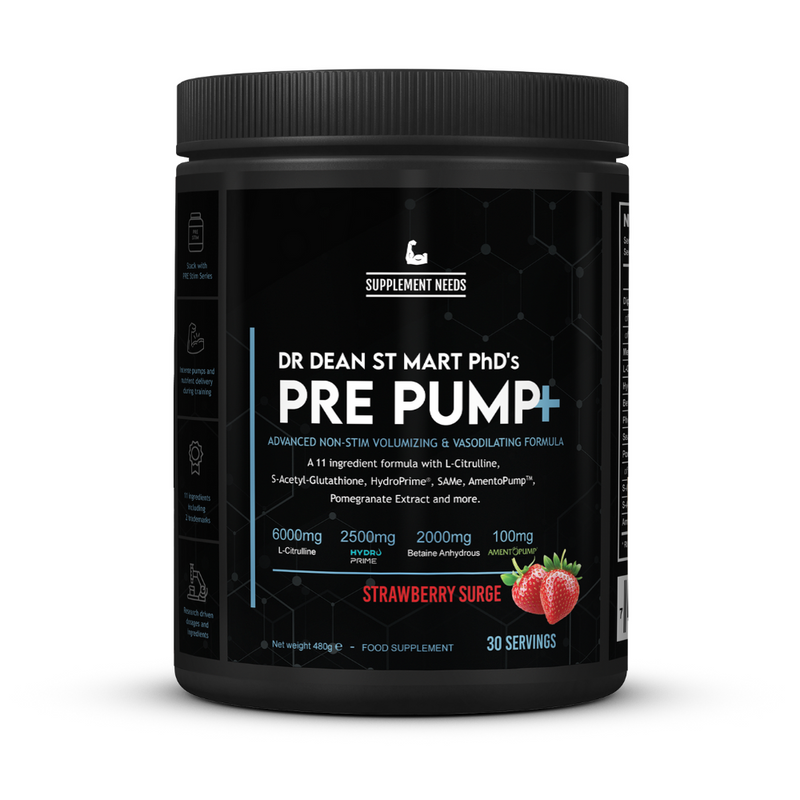
Whilst liposomal solutions offer maximal bioavailability, it’s also worth noting that S-Acetyl Glutathione is also highly bioavailable in powder form. That’s why we include S-Acetyl Glutathione in Pre Pump+.
But, what about dose? Here’s what to look for:
-
Research studies have examined a broad range of doses, spanning from 50-500mg per day.
-
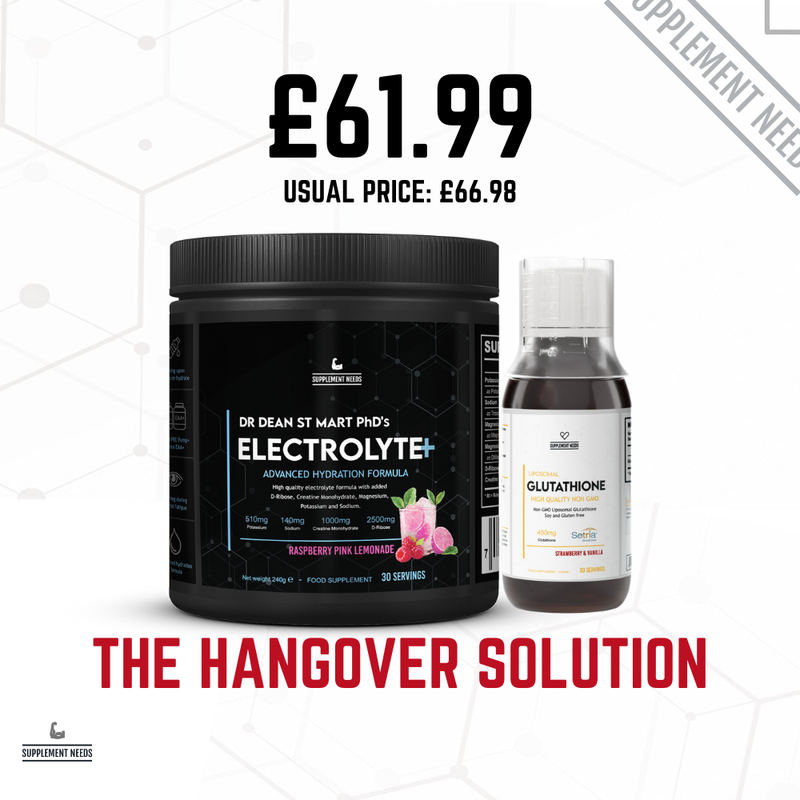
For hangover support, as a minimum, you want a dose that is within the lower-to-mid hundreds of milligrams. Supplement Needs Liposomal Glutathione is dosed at 450mg per 5ml servings, meaning it is one of the most potent on the market.
Product spotlight: Supplement Needs Liposomal Glutathione

Supplement Needs Liposomal Glutathione is designed to support the liver’s detoxification pathways by delivering Glutathione in a form the body can actually use.
Unlike standard Glutathione capsules, which are largely broken down in the digestive tract - this formula uses liposomal delivery, where Glutathione is encapsulated in phospholipid “bubbles” that help protect it through digestion and improve cellular uptake. The result is far great bioavailability, and a higher likelihood that the Glutathione will reach the tissues where it’s needed most during alcohol metabolism (e.g. your liver).
Supplement Needs Liposomal Glutathione also stacks neatly alongside our other related supplements, including:
Electrolytes: the body’s fluid-balance regulators
Okay, so we’ve taken a deep dive into Glutathione, now it’s time to do the same for electrolytes.
As we’ve written previously, electrolytes are charged minerals found within your body that play a critical role in maintaining fluid balance, enabling nerve signalling, supporting muscle contraction, and maintaining a healthy heart rhythm33.
Examples of electrolytes include Magnesium, Calcium, Sodium, Chloride, and Potassium (amongst others)34.
Unfortunately, alcohol plays a disruptive role in the function of these electrolytes. As we mentioned earlier, alcohol has a strongly diuretic effect - resulting in increased urination - flushing out electrolytes. This results not just in dehydration, but an electrolyte imbalance. In an acute sense, electrolyte imbalances can result in muscle issues, neurological problems, digestive upset, and even heart rhythm changes35.
It’s clear, then, that it is important you replace those lost electrolytes following a bout of drinking.
Can you do that from water alone?
The evidence suggests not.
Not only does plain tap water lack many of the important electrolytes that your body requires, but drinking it in large volumes can actually dilute important blood electrolytes such as sodium36.
For dealing with hangovers, this makes purpose-built electrolyte formulas far more effective than water, juice, or sugary sports drinks.
Are electrolytes good for a hangover?
As we have seen, drinking alcohol can result in the loss of large volumes of electrolytes from your body.
But, can electrolytes ‘cure’ a hangover?
Sadly, the answer is no (at least, not directly).
Instead, replenishing your body’s electrolytes will help you rehydrate more effectively, and thus recover from your hangover more rapidly.
Studies37 have found that electrolyte intake can help relieve thirst, dry mouth, lightheadedness, muscle cramps, and (to a lesser extent) headaches.
Electrolytes such as Potassium and Magnesium may also help stabilise transient alcohol-related blood pressure changes (due to the role these particular electrolytes play in cardiovascular function)38.
So, the evidence seems pretty unequivocal: electrolyte supplementation can help you rehydrate and lessen some of the symptoms of a hangover.
However, a key point to remember, is that electrolytes do not detoxify and metabolise acetaldehyde. That’s why electrolytes and Glutathione are essentially inseparable as part of a hangover recovery supplementation regime. Glutathione tackles the acetaldehyde, the electrolytes tackle the dehydration. It’s a one, two punch for your hangover.
When should you take electrolytes for hangover support?
Just as there are optimal times to take Glutathione for hangover recovery, the same is true for electrolytes.
Below, you’ll find the optimal times to take electrolytes:
-
Before drinking: as with Glutathione, aim to take electrolytes around an hour before your first alcoholic drink.
-
During drinking: if you’re engaged in a long drinking session, consider alternating electrolytes e.g. one glass of electrolytes for every two alcoholic drinks. Consider ordering a soda water and lime and popping in a sachet of your favourite electrolyte formula.
-
Before bed: this is the most impactful time you can take electrolytes whilst drinking. A full glass of electrolytes before bed can dramatically reduce next-day hangover symptoms39.
-
The next morning: sipping a glass of electrolytes (ideally around 500ml-1,000ml over a few hours), can help to finish off any remaining hangover symptoms.
What to look for in an electrolyte supplement
If you don’t know what to look for, it’s all too easy to buy a cheap, sugary sports drink and find yourself not making a dent in your hangover.
If you want to buy the very best electrolyte supplement to alleviate your hangover symptoms, then look for:
-
A formula that provides adequate Sodium and Potassium for real hydration.
-
A formula that includes Magnesium at useful doses.
-
A formula that is low in sugar, clean-tasting, and easy to imbibe and swallow.
Product spotlight: Supplement Needs Electrolyte+

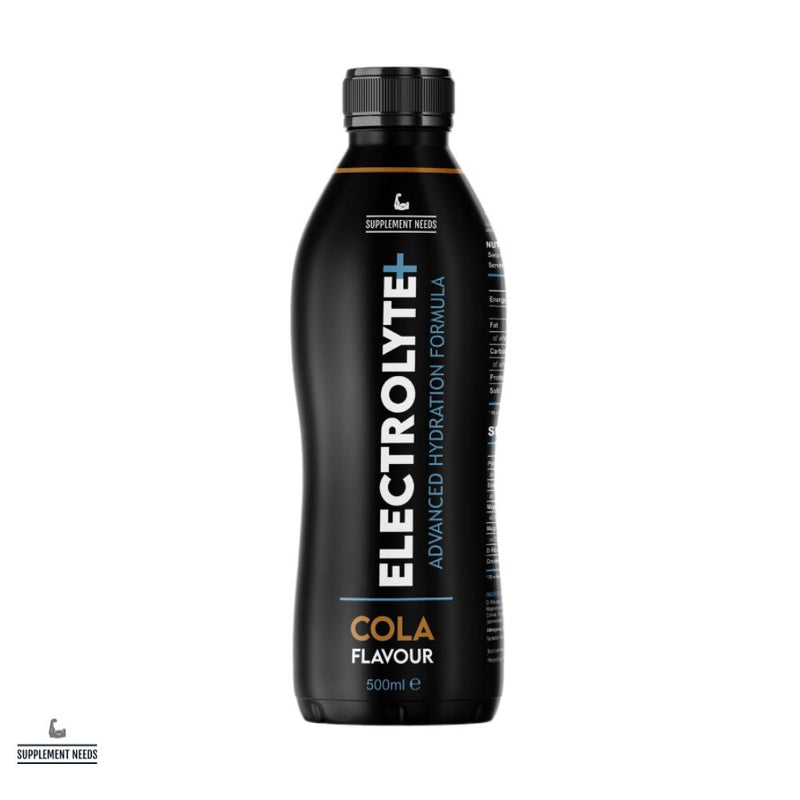
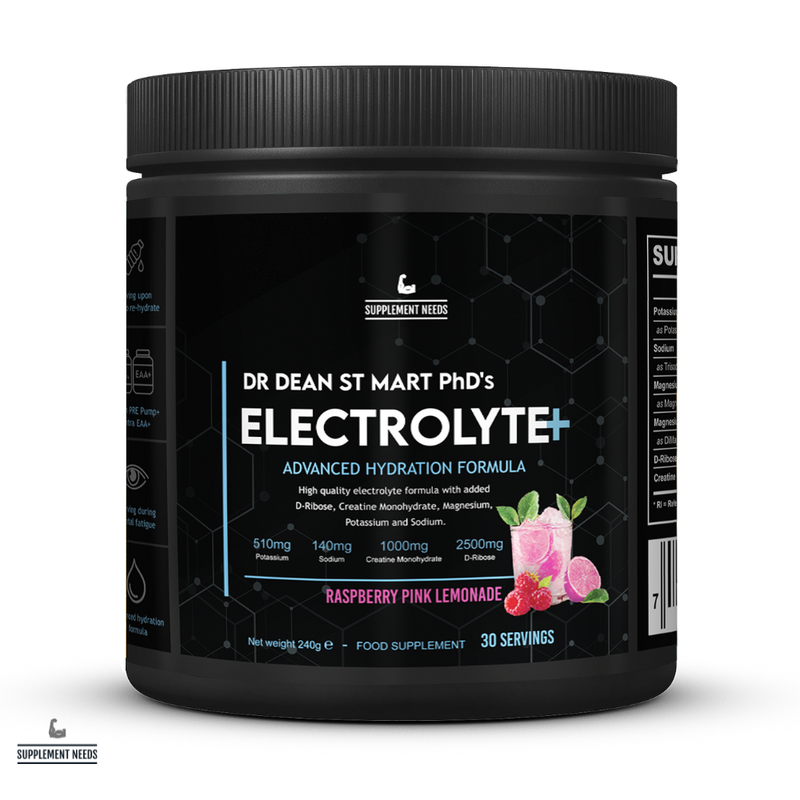
Supplement Needs Electrolyte+ is formulated in an oral rehydration solution-style ratio, with balanced Sodium, Potassium, Magnesium, and Calcium - without unnecessary sugars. It’s also designed to be absorbed quickly, taste clean, and fit seamlessly into a before/during/after drinking session.
Your drinking and hangover prevention framework
We know that this time of year practically encourages and facilitates over indulgence in alcohol. But, that’s not to say there isn’t a way to mitigate the worst effects. With our framework below, you can ensure you keep your hangovers to a minimum this festive period.
Our framework includes: smart hydration, targeted nutrient intake, food planning, pacing, and sleep support.
Before you drink: loading up your defence
At this stage, an intelligent mix of nutrition, Glutathione and electrolyte consumption will set the scene for lower toxin buildup and better hydration.
What you need to do:
-
Glutathione: take a precautionary dose of liposomal Glutathione, as this boosts endogenous Glutathione levels and will help protect the liver.
-
Electrolytes: rebalancing minerals before drinking will help to compensate for the diuretic effects of alcohol that are about to occur.
-
Balanced meal: include protein, healthy fats, and cysteine-rich foods (e.g. eggs, poultry) in your pre-drink meal. This will slow alcohol absorption and provide raw materials for bodily Glutathione synthesis.
Whilst you drink: pacing and replacing
The key during a drinking session is to reduce peak blood alcohol concentration. This will lower the burden on your metabolic systems and will limit acetaldehyde accumulation - the key factor in hangover development.
What you need to do:
-
Alternate drinks: sip a drink containing electrolyte formula between alcoholic beverages to slow intake and mitigate diuresis40.
-
Choose lighter options: darker spirits concern congeners (chemical by-products formed during fermentation and distillation). Congeners can exacerbate hangover symptom severity41.
-
Avoid wines: for some people, wines (particularly red wine) trigger worse hangover symptoms than other alcohol drinks. This is predominantly due to sulfites which are compounds that can cause headaches, flushing, and fatigue. The body uses Molybdenum and Manganese to process sulfites, so ensure you aren’t deficient in these minerals if you are going to be drinking wine.
-
Listen to your body: slowing down and spacing out drinks gives your liver a better chance at metabolizing the ethanol you are imbibing, potentially preventing your detoxification pathways from being overwhelmed.
Before bed: damage limitation
You’re now at the ‘damage limitation’ stage following your night out on the drink. The key task now is to support your body’s hydration and detoxification pathways to reduce the intensity of morning after symptoms and support inflammatory resolution.
What you need to do:
-
Electrolytes: have your final electrolyte drink. This will replenish key electrolytes that will have been lost due to alcohol’s diuretic effect.
-
Antioxidant shot: a final shot of liposomal Glutathione will help your liver deal with any lingering oxidative stress as it metabolises the last of the alcohol in your bloodstream.
-
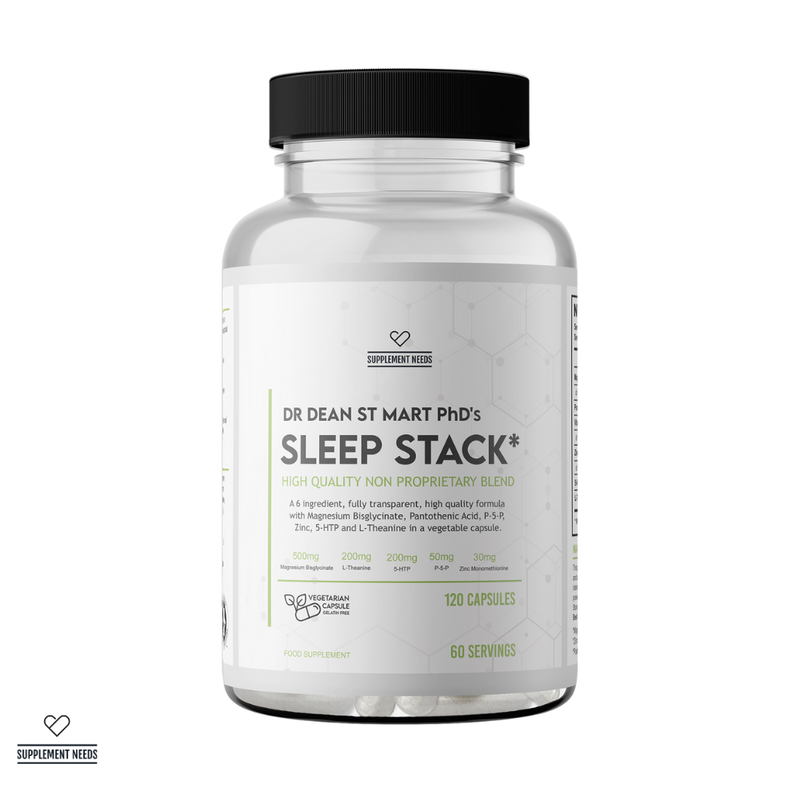
Sleep hygiene: proper, restorative sleep is a key part of minimising hangover symptoms the next day42. Consider taking Sleep Stack to help you have an uninterrupted night of sleep.
The morning after routine: rehydrate, refuel, refresh
Upon waking, you’ll find that your body is still eliminating the residues of alcohol, including an array of toxic by-products. Now, your job is to support the recovery that’s already occurred, and not undoing it!
What you need to do:
-
Drink electrolytes first: this will help alleviate any legacy symptoms you may be experiencing, such as headache or fatigue.
-
Avoid paracetamol: although this is often the first thing that people reach for when they have a hangover, it can often be a poor move. Why? Because not only does paracetamol deplete Glutathione, but it will also induce the production of NAPQI - a toxic metabolite!
-
Light food: fuel up on lean protein and complex carbohydrates. This will help stabilise your blood sugar levels that are likely to have been disturbed by the alcohol.
-
Caffeine (but judiciously): if you feel like you need a ‘pick me up’, caffeine can help. But - as we pointed out earlier - don’t over do it!
-
Gentle exercise: a brisk walk or some light callisthenics can be the perfect way of getting moving again after a night of drinking.
Order the Supplement Needs Hangover Solution today

Want to put the science of what you’ve just read into practice? Then try the Supplement Needs Hangover Solution.
Rather than relying on guesswork or generic ‘hangover cures’, the Supplement Needs Hangover Solution has been expertly formulated by the renowned industry expert Dr. Dean St Mart PhD.
The Hangover Solution is ideal if you:
-
Want to reduce hangover severity, not pretend hangovers don’t exist.
-
Prefer a science-led approach over gimmicks.
-
Enjoy the occasional drink, but still want to protect your future health and productivity.
If you’re looking for a straightforward, evidence-informed way to help you feel better the next day, the Supplement Needs Hangover Solution brings everything together in one place.
Shop the Supplement Needs Hangover Solution now
For more insights and information about supplements, discover the Supplement Needs blog…
Why You Should Avoid Cheap Vitamins & Multivitamins | Busting the Biggest Supplement Myths | Why You Should Avoid Cheap Omega 3 Supplements
Disclaimer
The information on this website should not be used as a substitute for professional medical care or advice. If you have any questions about your health, please contact your doctor.
References:
1. Cuzzo B, Padala S, Lappin S. Physiology, Vasopressin [online]. Available at: https://www.ncbi.nlm.nih.gov/books/NBK526069/ (Accessed on 16th December 2025).
2. National Institute on Alcohol Abuse and Alcoholism. Alcohol’s Effect on Health [online]. Available at: https://www.niaaa.nih.gov/publications/brochures-and-fact-sheets/hangovers (Accessed on 16th December 2025).
3. Mackus M, Loo A, Garssen J, Kraneveld A, Scholey A, Verster J. The Role of Alcohol Metabolism in the Pathology of Alcohol Hangover [online]. Available at: https://pmc.ncbi.nlm.nih.gov/articles/PMC7692803/ (Accessed on 16th December 2025).
4. Verster J, Iseric E, Oostrom E, et. al. Alcohol hangover and cancer risk: The impact of oxidative stress and systemic inflammation [online]. Available at: https://juniperpublishers.com/gjarm/pdf/GJARM.MS.ID.555721.pdf (Accessed on 16th December 2025).
5. Cederbaum A. Role of CYP2E1 in ethanol-induced oxidant stress, fatty liver and hepatotoxicity [online]. Available at: https://pubmed.ncbi.nlm.nih.gov/21525766/ (Accessed on 16th December 2025).
6. Edenberg H. The Genetics of Alcohol Metabolism: Role of Alcohol Dehydrogenase and Aldehyde Dehydrogenase Variants [online]. Available at: https://pmc.ncbi.nlm.nih.gov/articles/PMC3860432/ (Accessed on 16th December 2025).
7. Loo A, Mackus M, Kwon O, et. al. The Inflammatory Response to Alcohol Consumption and Its Role in the Pathology of Alcohol Hangover [online]. Available at: https://pmc.ncbi.nlm.nih.gov/articles/PMC7408936/ (Accessed on 16th December 2025).
8. Bode C, Bode J. Alcohol’s Role in Gastrointestinal Tract Disorders [online]. Available at: https://pmc.ncbi.nlm.nih.gov/articles/PMC6826790/ (Accessed on 16th December 2025).
9. Kvietys P, Twohig B, Danzell J, Specian R. Ethanol-induced injury to the rat gastric mucosa. Role of neutrophils and xanthine oxidase-derived radicals [online]. Available at: https://pubmed.ncbi.nlm.nih.gov/2311875/ (Accessed on 16th December 2025).
10. Bishehsari F, Magno E, Swanson G, et. al. Alcohol and Gut-Derived Inflammation [online]. Available at: https://pmc.ncbi.nlm.nih.gov/articles/PMC5513683/ (Accessed on 16th December 2025).
11. Cleveland Clinic. Gastritis [online]. Available at: https://my.clevelandclinic.org/health/diseases/10349-gastritis (Accessed on 16th December 2025).
12. Oba-Yamamoto C, Takeuchi J, Nakamura A, et. al. Combination of alcohol and glucose consumption as a risk to induce reactive hypoglycemia [online]. Available at: https://pmc.ncbi.nlm.nih.gov/articles/PMC8015820/ (Accessed on 16th December 2025).
13. Gardiner C, Weakley J, Burke L, et. al. The effect of alcohol on subsequent sleep in healthy adults: A systematic review and meta-analysis [online]. Available at: https://www.sciencedirect.com/science/article/pii/S1087079224001345 (Accessed on 19th December 2025).
14. Park S, Oh M, Lee B, et. al. The Effects of Alcohol on Quality of Sleep [online]. Available at: https://pmc.ncbi.nlm.nih.gov/articles/PMC4666864/ (Accessed on 19th December 2025).
15. Wighton K. Why alcohol makes your brain feel good… and very bad [online]. Available at: https://www.imperial.ac.uk/news/169859/why-alcohol-makes-your-brain-feel/ (Accessed on 19th December 2025).
16. Sanchez-Marin L, Pavon F, Decara J, et. al. Effects of Intermittent Alcohol Exposure on Emotion and Cognition: A Potential Role for the Endogenous Cannabinoid System and Neuroinflammation [online]. Available at: https://www.frontiersin.org/journals/behavioral-neuroscience/articles/10.3389/fnbeh.2017.00015/full (Accessed on 19th December 2025).
17. Fan S, Goldfarb E, Lacadie C, et. al. Binge drinking is associated with higher cortisol and lower hippocampal and prefrontal gray matter volume: Prospective association with future alcohol intake [online]. Available at: https://www.sciencedirect.com/science/article/pii/S2352289523000280 (Accessed on 19th December 2025).
18. Thomasson H. Gender differences in alcohol metabolism. Physiological responses to ethanol. [online]. Available at: https://pubmed.ncbi.nlm.nih.gov/7624539/ (Accessed on 5th January 2026).
19. Vatsalya V, Byrd N, Stangl B, et. al. Influence of age and sex on alcohol pharmacokinetics and subjective pharmacodynamic responses following intravenous alcohol exposure in humans [online]. Available at: https://www.sciencedirect.com/science/article/abs/pii/S0741832922000945 (Accessed on 5th January 2026).
20. Song G, Han H, Park S, et. al. Effects of GSH on Alcohol Metabolism and Hangover Improvement in Humans: A Randomised Double-Blind Placebo-Controlled Crossover Clinical Trial [online]. Available at: https://www.mdpi.com/2072-6643/16/19/3262 (Accessed on 19th December 2025).
21. Mackus M, Stock A, Garssen J, et. al. Alcohol hangover versus dehydration revisited: The effect of drinking water to prevent or alleviate the alcohol hangover [online]. Available at: https://www.sciencedirect.com/science/article/pii/S0741832924001009 (Accessed on 19th December 2025).
22. El-Sayed M, Ali N, Ali Z. Interaction Between Alcohol and Exercise [online]. Available at: https://link.springer.com/article/10.2165/00007256-200535030-00005 (Accessed on 24th December 2025).
23. BUPA. Five common myths that won’t cure your hangover [online]. Available at: https://www.bupa.co.uk/~/media/images/healthmanagement/blogs/blog-phase2/hangover-cure/common-hangover-cure-myths-pdf.pdf (Accessed on 24th December 2025).
24. National Cancer Institute. Phase II detoxification [online]. Available at: https://www.cancer.gov/publications/dictionaries/cancer-terms/def/phase-ii-detoxification (Accessed on 24th December 2025).
25. Bladeren P. Glutathione conjugation as a bioactivation reaction [online]. Available at: https://pubmed.ncbi.nlm.nih.gov/11154735/ (Accessed on 24th December 2025).
26. Song G, Han H, Park S, et. al. Effects of GSH on Alcohol Metabolism and Hangover Improvement in Humans: A Randomised Double-Blind Placebo-Controlled Crossover Clinical Trial [online]. Available at: https://www.mdpi.com/2072-6643/16/19/3262 (Accessed on 24th December 2025).
27. Korsten M, Matsuzaki S, Feinman L, Lieber C. High blood acetaldehyde levels after ethanol administration. Difference between alcoholic and nonalcoholic subjects [online]. Available at: https://europepmc.org/article/med/1110723 (Accessed on 24th December 2025).
28. Sa S. Effects of GSH on Alcohol Metabolism and Hangover Improvements in Humans: A Randomised Double-Blind Placebo-Controlled Crossover Clinical Trial [online]. Available at: https://www.researchgate.net/publication/384425953_Effects_of_GSH_on_Alcohol_Metabolism_and_Hangover_Improvement_in_Humans_A_Randomized_Double-Blind_Placebo-Controlled_Crossover_Clinical_Trial (Accessed on 24th December 2025).
29. Coppersmith V, Hudgins S, Stoltzfus J, Stankewicz H. The use of N-acetylcysteine in the prevention of hangover: a randomised trial [online]. Available at: https://www.nature.com/articles/s41598-021-92676-0 (Accessed on 24th December 2025).
30. Eriksson C, Metsälä M, Möykkynen T, et. al. L-Cysteine Containing Vitamin Supplement Which Prevents or Alleviates Alcohol-related Hangover Symptoms: Nausea, Headache, Stress and Anxiety [online]. Available at: https://pubmed.ncbi.nlm.nih.gov/32808029/ (Accessed on 24th December 2025).
31. Wei T, Thakur S, Liu M, Wen J. Oral delivery of glutathione: antioxidant function, barriers and strategies [online]. Available at: https://www.scienceopen.com/hosted-document?doi=10.15212%2FAMM-2022-0005 (Accessed on 24th December 2025).
32. Sinha R, Sinha I, Calcagnotto A, et. al. Oral supplementation with liposomal glutathione elevates body stores of glutathione and markers of immune function [online]. Available at: https://pubmed.ncbi.nlm.nih.gov/28853742/ (Accessed on 24th December 2025).
33. National Library of Medicine. Electrolytes [online]. Available at: https://www.ncbi.nlm.nih.gov/books/NBK541123/ (Accessed on 24th December 2025).
34. Terry J. The major electrolytes:sodium, potassium, and chloride [online]. Available at: https://pubmed.ncbi.nlm.nih.gov/7965369/ (Accessed on 24th December 2025).
35. Balci A, Koksal O, Kose A, et. al. General characteristics of patients with electrolyte imbalance admitted to emergency department [online]. Available at: https://pmc.ncbi.nlm.nih.gov/articles/PMC4129840/ (Accessed on 24th December 2025).
36. Medical News Today. What happens if you drink too much water? [online]. Available at: https://www.medicalnewstoday.com/articles/318619? (Accessed on 24th December 2025).
37. Lau W, Kato H, Nosaka K. Water intake after dehydration makes muscles more susceptible to cramp but electrolytes reverse that effect [online]. Available at: https://pmc.ncbi.nlm.nih.gov/articles/PMC6407543/ (Accessed on 24th December 2025).
38. Houston M, Harper K. Potassium, Magnesium, and Calcium: Their Role in Both the Cause and Treatment of Hypertension [online]/ Available at: https://pmc.ncbi.nlm.nih.gov/articles/PMC8109864/ (Accessed on 24th December 2025).
39. EatingWell. Do Electrolyte Drinks Actually Help Prevent a Hangover? [online]. Available at: https://www.eatingwell.com/article/8043337/electrolytes-and-hangover/ (Accessed on 24th November 2025).
40. National Institute on Alcohol Abuse and Alcoholism. Alcohol’s Effects on Health [online]. Available at: https://www.niaaa.nih.gov/publications/brochures-and-fact-sheets/hangovers (Accessed on 24th December 2025).
41. Rohsenow D, Howland J. The role of beverage congeners in hangover and other residual effects of alcohol intoxication: a review [online]. Available at: https://pubmed.ncbi.nlm.nih.gov/20712591/ (Accessed on 24th December 2025).
42. Swift R, Davidson D. Alcohol Hangover [online]. Available at: https://pmc.ncbi.nlm.nih.gov/articles/PMC6761819/ (Accessed on 24th December 2025).